Showing posts with label Season Previews. Show all posts

Friday, 1 March 2019

AFC Champions League Preview (The East - 2019)


Twelve titles from an available thirteen. That mere stat truly encapsulates the undisputed dominance of East Asia in recent Asian Champions League history. Kashima Antlers’ impressive run to the final last year, ultimately ended in muted fashion, as they eased past Iranian champions Persepolis in the final, but are such one-sided finals something we can expect to end going forward?


The perceived new wave of challenge was supposed to come from China. The increased money being funnelled down into the domestic game was becoming a real consideration for even Western Europe, let alone the rest of Asia. Despite the large amounts of cash flowing in initially, the picture looks a little more stable nowadays, and with one of the quietest windows for some time just passing by, the challenge from China in the Asian Champions League looks comparatively weak to years gone by.

Perennial contenders, and two-time winners Guangzhou Evergrande encapsulate China’s evolving yet diminishing threat continentally. Having lost out on their first domestic title for eight years, rather than jump straight back into the lucrative transfer market of highly sought after European talent, Guangzhou have bizarrely restricted their own overseas quota, instead looking to seek weaker nationalised options to bulk up their squad.

The purchases of former England youth international Tyias Browning and Peruvian born Roberto Siucho are the first part of a long-term strategy put into play by the club to exploit China’s vast waves of global diaspora. Ahead of the curve, fellow Asian Champions League side Beijing Guoan have already confirmed the national switch of Norwegian born midfielder John Hou Saeter (now known as Hou Yongyong) and are significantly along the way in doing the same for English born Nico Yennaris (to be known as Li Ke) who should switch allegiances in the coming months.

The quality of Chinese football, as demonstrated in January’s underwhelming, yet misleadingly successful Asian Cup campaign, is still lacking in a number of areas. The mere bright spot of the campaign, domestic golden boot winner Wu Lei, has now left for Europe, leaving his former club and newly crowned Chinese Super League champions Shanghai SIPG in a muddle heading into their first ever domestic defence and ACL pursuit. Shanghai have failed to sign up adequate cover for their outgoing talisman, and with an ageing squad to hand, growing ever more static (the physical size of star man Hulk is again on the rise), it’s hard to suggest that the current Chinese champions have it in their locker to make a dent continentally.

The title in the East then, as has been the case for the last two editions, looks favoured to return to Japan for a third year in succession. Back-to-back J.League champions Kawasaki Frontale look far better prepared to make a sustained impact on the continental stage than last year, given their close season signings of Leandro Damiao and Maguinho have already hit the ground running domestically. Group stage returns to face Shanghai SIPG and Ulsan Hyundai, the two teams to usurp Kawasaki last term, will prove an interesting yard stick to assess progression of each team individually, but an area the Japanese champions look best set to improve upon.

The two previous ACL champions in Urawa Red Diamonds (2017) and Kashima Antlers (2018) also return, with strong looking squads to progress deep into the competition. The off season purchases of Ryosuke Yamanaka, Ewerton and Kenyu Sugimoto have improved quality across the pitch for Urawa, whilst Kashima, who may have lost defensive duo Gen Shoji and Daigo Nishi in the transfer market, have been able to keep hold of both their AFC Player of the Year nominated stars from last term Kento Misao and Yuma Suzuki, and have brought in experienced forward Sho Ito, a player who has already scored in both his Champions League and domestic debuts for the club in the last week.

The only question mark, often labelled against Japanese contenders for Champions League glory, has been that of priorities. The J.League remains the most intense and extended of domestic schedules in the East, leading some in the past to field under strength squads in their midweek Asian excursions. One of the most regular abusers of this in the past, Sanfrecce Hiroshima already look to be treading on familiar ground, after deploying a second-string squad in their weary penalty shootout victory over Chiangrai in the ACL playoffs.

With this in mind, Jeonbuk Motors look well placed to be challenge the favourites at the tournament. The Korean champions, have few worries domestically, given their considerable superiority over the chasing pack, have a reduced schedule compared to their Japanese counterparts, and have strengthened their depth going into the new season. Boasting an almost relentless attacking force, including the likes of Moon Seon-min, Bernie Ibini and Kim Shin-wook as mere bench options, Jeonbuk clearly have the playing staff to live up to being a worthy challenger. Outside them however, the Korean challenge is diminished (on paper at least), given the surprising rise of Gyenognam and Daegu last season.

Gyenognam backed up their K2 promotion campaign in 2017, to finish in behind Jeonbuk last term. Whilst they’ve lost leading scorer Marcao (Hebei), and centre back Park Ji-soo (Guangzhou Evergrande) to the Chinese Super League, the introduction of Jordan Mutch, formerly of Cardiff City and former Inter Milan winger Luc Castaignos looks to keep them competitive at the very least in the group stage. Daegu’s unexpected KFA Cup victory opens a historic continental challenge for the modest Korean club, yet with little star quality across the field, they’ll likely find it difficult against such experienced opponents.

One of their group opponents, Melbourne Victory however, look to have timed their improvement perfectly. The recruitment of Japanese international Keisuke Honda, alongside physical Swedish striker Ola Toivonen, looks to have been a masterstroke, and given their appeasing group stage draw against Deagu, Sanfrecce and Guanzghou could be the required game changer. In a stop-start league campaign to date, Victory have proved on their day, they have the best side in one off matches in Australia, a level of performance they’ll be keen on replicating in Asia.

Aiming to prove they’re more than simply going to make up the numbers, Thai champions Buriram United, heading into their seventh ACL season in eight years, and five times Malaysian champions Johor Darul Ta’zim, in their debut ACL group stage encounter are the potential banana skins no side will relish in facing. JDT in particular have stocked up impressively ahead of their historic debut in the tournament proper, bringing in Brazilian defender Mauricio and striker Diogo, who has already proven how highly effective he is in front of goal in Thailand last term.

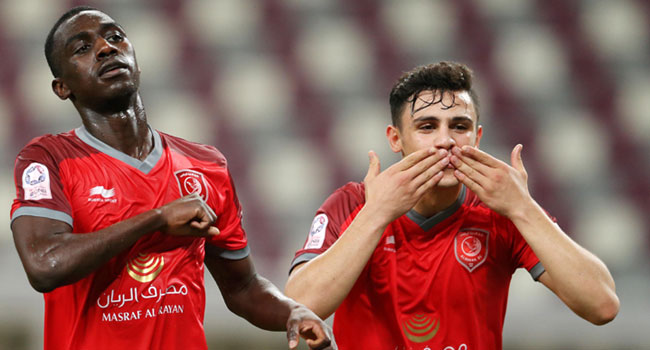
AFC Champions League Preview (West - 2019)


A month on from the Asian Cup, the rise of Qatar looks set to spill over into club football ahead of the new season of the Asian Champions League. Qatar in the main came from the periphery, formed around a squad that was almost exclusively based at home, thrusting previously unheralded youngsters Almoez Ali, Akram Afif, Bassam Al-Rawi and Assim Madibo into the limelight. Now, ready to prove they’re more than a mere flash in the pan upon the resumption of the Asian club calendar, can they wrestle back the ACL title to the West for the first time in 8 years?

The pinnacle may have been reached internationally, but the progress at club level is already in full flow; Qatari champions Al-Duhail and current league leaders Al-Sadd made it to the last eight of the Champions League last term, only to falter after the World Cup break against eventual finalists Persepolis (in the quarter & semi-final stages respectively). That added bit of experience required to take the initiative in these type of matches, is slowly seeping its way into the two pillars of Qatari club football, and off the back of their continental crown internationally, can attest to having the best home-grown players in the whole competition.

The foreign contingent is hardly lacking either; Al-Sadd’s Algerian striker Baghdad Bounedjah has amassed an incredible 34 goals across 18 matches this season, along the way pipping Lionel Messi to the ultimate world golden boot across the calendar year for 2018. He’s backed up by the highly influential Spanish duo of Xavi and Gabi from centre midfield and will be able to call upon Korean international Nam Tae-hee if they indeed replicate their exploits from last term and make it to the last eight.

Al-Duhail similarly boast a strong overseas quota; adding Japanese playmaker Shoya Nakajima and Belgian wide-man Edmilson Junior to an already terrifying attack line led by Moroccan Youssef El-Arabi. They’ve also sought to reaffirm defensively, bringing in Medhi Benatia from Juventus; a real coup for Asian football in general given his pedigree and his age, which sets up a tantalising partnership with the highly rated Al-Rawi in central defence.

The ingredients are set for a sustained return to form for the West. However, the regular argument against such is the highly detrimental mid-campaign break, which has the possibility of disrupting harmony and squad membership across a number of teams. This year in particular promises extensive upheaval, with the young Qatari contingent; headlined by Almoez Ali and Akram Afif, looking likely to head to Europe over the domestic off-season. Then there is always the case of managerial change; given neither Qatari club will envisage an close season where they settle for a domestic runners-up spot gladly. Where this leaves West Asian clubs in general is equally uncertain, and far from an ideal standpoint for any side with serious ACL title ambitions.

A side that has such focussed priorities, Al-Hilal from the Saudi Pro League, can attest to the schedule's drawbacks, given their tendencies for wholesale changes at the drop of a hat. The club synonymous with the Champions League of late, boast the strongest overseas contingent of the whole tournament; not just in their four nominated ACL players, but in their strength in depth available to them domestically. The signing of Italian Sebastian Giovinco in the January transfer window, more than makes up for Omar Abdulrahman’s continued injury layoff, in behind prolific French striker Bafetimi Gomis and Brazilian playmaker Carlos Eduardo, the Riyadh club’s attack makes for an exciting balance that promises an abundance of goals.

Further back, the inclusion of Socceroo Milos Degenek as their fourth overseas player, squeezes out the likes of Jonathan Soriano, Andre Carrillo, Ali Al-Habsi and Alberto Botia. An embarrassment of underutilised riches some may say, but with a domestic title bout to juggle alongside the Champions League group stages, the flexibility at hand for new coach Zoran Mamic looks impressive in its possibilities.

The criticism against them surrounds their mentality and tendency for change. Aside from odd moments, Saudi football regularly frustrates, the playing staff on paper may look to be tremendous options; Salman Al-Faraj, Salem Al-Dawsari and new signing Hatem Bahebri are all seasoned internationals, but have regularly looked off colour , especially in January’s frustrated Asian Cup campaign where Saudi Arabia generally struggled. In addition, the swift hand of change above them, most notably and inexplicably demonstrated in the sacking coach Jorge Jesus last month, can only threaten to destabilise the club’s pursuits further.

With that, the solid proposition, of experience and relative organisation is an outside bet for success. With this look no further than last year’s finalists Persepolis. Rarely flashy, with a diminishing amount of star power, they offer a hearty alternative to the big spending nature of many of their West Asian neighbours. While they still can call upon Iranian international goalkeeper Alireza Beiranvand and Iraqi midfield maestro Bashar Resan, the recruitment of Mehdi Torabi may give them that extra spark to force home wins in those early group stage encounters.

From the elite to the chasing pack, on paper at least a gulf in quality is starting to grow. No league has been left behind more in this regard, than the Arabian Gulf League, which looks to be entering this continental season at their lowest ebb. Al Ain, their primary force for many years look a pale imitation of their past, Al-Ahli have plummeted since their intercity merger, whilst Al-Jazira’s continued absence from the top table of Asian football remains a frustration to many, given their significant talent base to call upon.

Al-Wahda and Al-Wasl make up the Emirati representatives, with neither having experienced great form of late, the latter in particular will be considerably more focussed on the prospect of relegation than competing in Asia. After their whirlwind start to last season, the wheels are well and truly starting to fall off. They’ll hope the individual brilliance of their Brazilian catalyst Lima will be enough to propel some energy, both at home and on the continent.

Another to be feeling the strain, Saudi giants Al-Ittihad are in even worse trouble, currently in the automatic relegation places, with nine games to go and onto their fourth coach in 12 months. Into the breach of the underwhelming tenure of Slavan Bilic comes former Itti coach José Luis Sierra, returning after leaving the club only last summer, with fans of the Tigers praying that they can return to the form of last season, spearheaded by the likes of Fahad Al-Muwallad, Romarinho and new signing Abdulaziz Al-Bishi.

Outside the usual gameplayers, the re-emergence of Uzbek football (this sounds familiar…) is promised once again on the upcoming Asian Champions League campaign. While champions Lokomotiv Tashkent look slightly weaker for their off-season transfer business, fellow capital giants Pakhtakor are starting to make waves, thanks to a number of interesting domestic signings and an early signal of intent through the ACL playoffs.

Purchases of key cogs from Uzbekistan’s strong youth set up that succeeded continentally of late; defensive anchor Odiljon Hamrobekov, left back Akramjon Komilov and the returning Dostonbek Khamdamov from Russia, Pakhtakor will look to bring through some of the same inventiveness and speed, impressively demonstrated at the Asian Cup through to the club environment. Supplementing the arrival of an extensive youth stock, leading Uzbek scorer over the last two seasons Marat Bikmaev returns, after leaving Pakhtakor back in 2004, to add a focal point at the sharp end of the attack.

The lowest expectations of any group stage side might be found at Al-Zawra’a, who thanks to IPL colleagues Al-Quwa Al-Jawiya, who dominated the AFC Cup over the last few years, have sealed Iraqi football an automatic birth into the round robin stage of the tournament for the first time. While little is expected of them, the fact they get to play in their own country (ironically not the case for much of their group given the ongoing political tensions) and can call upon a couple of notable gems in the making (headlined by young midfielder Safaa Hadi), they’ll be up to cause some real upsets early on.

Friday, 14 July 2017

Season Preview (Russia 17/18)

League Name: Russian Premier League (RPL)
Start Date: 15th July
Honours (16/17): Spartak Moscow (League champions), Lokomotiv Moscow (Russian Cup winners)
Teams qualified for European football (16/17): Spartak Moscow, CSKA Moscow (both UCL), Zenit St. Petersburg, Krasnodar, Lokomotiv Moscow (all UEL)


Domestic football returns to Russia with an air of optimism given we’re going into a home World Cup year with an additional Champions League qualification spot to fight for through the Russian Premier League. In truth however, club and international football is far from skyrocketing; Sbornaya crashed out early in the Confederations Cup last month, while it’s difficult to make a case for all but one RPL team actually coming into this season on a high after a broadly middling campaign last term.

The clear winners in this regard were champions Spartak Moscow. Clinching the title for the first time since 2001, few gave them a hope at the start of the season when Dmitri Alenichev was swiftly fired in August, following an early exit in Europa League qualification. His replacement Massimo Carrera stepped up from being Alenichev’s assistant remarkably well, his credentials soared within a year, to a stage where he's widely tipped for bigger and better things away from Russia, a rapid rise indeed over a fledgling coaching career.

Guided by their player of the season candidates; Fernando and Denis Glushakov in centre midfield and Dutch maestro Quincy Promes in attack, Spartak ruthlessly ran away with the title, a clear 7 points ahead of the chasing pack. Crucially they harnessed consistency, and in those times where they stumbled (heavy defeats to Krylya and Rostov either side of the winter break) they resisted a sustained slump to return to winning form the week after. Such consistency was rarely shared by their title chasing colleagues, however with European commitments now to contend with, a busier Autumn schedule is now Spartak’s trail to navigate past.

The transfer window has been relatively quiet for the champions, which indeed was what they wanted. They might not have engineered any notable transfers in, but for the time being their star man Quincy Promes stays. With one and a half months left of the transfer window, and competitive football ahead of him to boost his profile, it may become a struggle for them to keep hold of their gem however, whose mere presence in a Spartak shirt is essential in their title retention hopes.

A stark change is felt at Zenit St. Petersburg as they go into their second successive season with a brand new high profile coach, with lofty ambitions fuelled by an array of personnel changes. After a briefly positive campaign (especially in Europe), a dire run-in to last season cost Mircea Lucecsu his job, as Zenit slumped to another year outside the Champions League places. A performance their owners and key Champions League sponsors Gazprom will be reluctant to see occur for a third successive campaign this term.

With Financial Fair Play seemingly offering little deterrent, in have come the big names; former Manchester City boss Roberto Mancini is the new face in the dugout; while he’s quickly added to his squad with Leandro Paredes from Roma, Sebastian Driussi from River Plate, and the tried and tested Rostov contingent of Christian Noboa, Aleksandr Erokhin and Dmitry Poloz. The potential, as it was last year is clearly there, but striking the right balance between talent and a strong unit will be the deciding factor, all this in new surroundings, after Zenit moved to their new home - the Krestovsky at the end of last season.

Already well accustomed to their new World Cup stadia home however are CSKA Moscow, who themselves go into this campaign with a different feel about them, despite another off-season of inaction in the transfer market. This will be the first full season where Leonid Slutsky won’t be rocking in the dugout, and while the former Russia boss is in mid-preparations with Hull City in England, his presence is still keenly felt back at the VEB Arena. Emerging from his shadow, Viktor Goncharenko has put in some decent foundations since stepping in over the winter break, and while they missed out on the title to their bitter rivals Spartak, the fact they’ve clinched Champions League football (albeit the preliminaries at this stage) will satisfy the hierarchy in the short term.

It’s hard to look past the big three for the title, but with a lucrative chance at edging third spot and going into the Champions League offers up more to play for for those in and around the top half of the table. Krasnodar, who’ve regularly been touted as the side to break the stranglehold of Russia’s first two cities, were pretty middling last term, and nearly took one step backwards, if it wasn’t for their final day victory over Tom Tomsk to clinch Europa League football.

This season was always likely to be a year of transition, but with top marksman Fyodor Smolov stalling on a move away from the Bulls (something aided by a pre-season injury), Krasnodar may in the end keep their main man. Their support cast has arguably improved, swapping one Wanderson for another; their legendary 31 year old winger has moved on to join newly promoted Dinamo Moscow, while his namesake, a player nine years his junior has joined from Red Bull Salzburg.

A case can be made for Lokomotiv Moscow, in being the next side from the capital to compete, after clinching a European spot with their Russian Cup victory last year. With key attacking cogs Aleksei Miranchuk and Ari reaffirming their immediate futures with the club, they will look to improve on their lowly 8th placed finish from last term. As will the newly branded Akhmat Grozny (formerly Terek), representing the club’s former president and leading Chechen politician Akhmad Kadyrov. With the name change comes renewed force to cement their name at the top end of Russian football and qualify for the Europa League, a position they’ve fallen narrowly short of achieving over the last few seasons.

It’s been from mid-table over the last two seasons where the real progression has been made. As with Spartak’s renaissance in form last term to snatch the domestic title, Rubin Kazan go into a successive season with a great deal of hype. Last term it surrounded big money signings, who ultimately fluffed on the pitch, this time it’s about adding experience, with some old faces set to return to Kazan. There were occasional high points in performance last year, but generally the likes of Alex Song, Maksim Lestienne and the returning Yann M’Vila rarely lived up to their initially high billing.

This term sees the return of legendary Turkman coach Kurban Berdyev, back with the club where he clinched successive titles in 2008 and 2009. He brings with him predictably his latest set of Berdyevites; Fyodor Kudryashov and Vladimir Granat have already joined from his former club Rostov, while Iranian striker Sardar Azmoun looks likely to link up with his mentor for the third time, at the club he unceremoniously ditched this time last year. If they can gel a systematic formula that has proven to be successful in the past under Berdyev, and the best out of those underachieving big names, Rubin are more than an outside bet of qualifying for Europe.

Berdyev’s previous employers Rostov couldn’t be in a more dissimilar position. Two years in which they narrowly missed out on the RPL title and hosted Bayern Munich and Manchester United at the Olimp-2 in European competition, could roll into a much more trying period ahead for Leonid Kuchuk and co. Of the starting XI that beat Bayern back in November, only two remain, a difficult scenario for any club, let alone Rostov who were struggling in mid-table for much of the last term anyway; a relegation dogfight might be the upcoming course instead.

From that perspective the first indications are that the regulars will again fight for safety in the Russian top flight. Both Ural Ekaterinburg and Anzhi Makhachkala narrowly missed out on the relegation playoffs last term, but showed in parts (Ural reaching the Russian Cup final, and Anzhi comfortably competing in the top half before the winter break) that they had quality, if onlt in small bursts; proving that nothing can be taken for granted going into the new season.

Of the promoted teams; the RPL welcomes Dinamo Moscow back at Russa’s top table at the first given opportunity, following their relegation in 2016, after they wiped the board with the rest of the FNL. Serial goal machine Kirill Panchenko has signed on a permanent basis after his successful season on loan from city rivals CSKA, while the addition of Wanderson from Krasnodar aids in their squad transition.

Similar potential isn’t expected from the other duo, both making their debut at this level. Tosno, a start up from 2013 are a club used to shifting their home ground, and will again be moving - into the recently departed Petrovsky (formerly of Zenit), while SKA Khabarovsk provide RPL clubs with a dreaded 5,000+ mile journey East, something Roberto Mancini will immediately experience first hand in this coming weekend..

Ones to Watch:

Fyodor Chalov (CSKA Moscow) - Broke through late in the season after an impressive developmental start with CSKA’s youth side in the Autumn, Chalov at 19 years old, could become the Army Men’s leading marksman this term, with little consistency or quality to aid him in attack. In a World Cup year, this season feels about right for the youngster to make an impact both domestically and in Europe, with the end prize of a national call up a realistic opportunity to aim for. 

Aleksandr Kokorin (Zenit) - A year on from his indiscretions in a nightclub following Russia’s demise at Euro 2016, Kokorin is back in the Sbornaya setup, but continually fails to live up to the high expectations even at club level. New boss Roberto Mancini has requested 35 goals from Kokorin and his strike partner Artem Dzyuba in the forthcoming season, a target the support striker needs to keep tabs with if he’s set to feature for Russia next summer.

Sardar Azmoun (Rubin Kazan) - For a second year in a row, we’re left in confusion at where the young Iranian striker will end up, but the good money is on a return to Kazan, where he’s been training for a number of weeks. This does however look to be Azmoun’s last year in Russia, after following diligently his mentor Kurban Berdyev between Rubin and Rostov for the last few seasons. On his day, as he proved in Europe last term he’s one of the RPL’s top marksman, and with a greater exposure to game time this year in Rubin’s chase for Europe, he could well force a marquee move post-Russia 2018.

Saturday, 18 February 2017

AFC Champions League Preview (The West - 2017)


2016 was another example of regional dominance in Asia, as Jeonbuk Motors made it 10 titles from 11, and four in succession for East Asia when they beat Al Ain from the West in November’s AFC Champions League final. The decline in Western fortunes has run alongside the demise of some of the region's biggest teams, a trend that in 2017 looks to be reversed to a degree with the return of a couple of the more established names.

Esteghlal, one of Asia’s most recognisable teams return to the continent showpiece for the first time in three years. Recent campaigns have been pretty miserable for the the Blues, a state of affairs that persists to this day with a crushing transfer ban hitting them only at the start of the year, denying them and neutral football fans alike to witness a central midfield duo made up of Asian legends Andranik Teymourian and Server Djeparov for the upcoming Champions League campaign.

Ban withstanding it’s been a pretty productive last week for Esteghlal; they were able to inch into the group stage after a penalty shoot out victory over a Xavi Hernandez led Al-Sadd (the Spaniard has now failed to reach the ACL group stages in two playoff attempts), before clinching all three points in the all important Tehran derby with fellow ACL competitors and current Persian Gulf Pro League leaders Persepolis.

Another Asian great Persepolis can hardly complain given their transfer dealings of the last year, bringing in Iranian internationals Jalal Hosseini and Alireza Beiranvand to supplement an already growing list of national team squad hopefuls. That being said, the last week has shown whatever Alireza Mansourian has brought into Esteghlal during his short tenure, makes you believe that the Blue half of Iran’s capital city could have something of a redemption in form ahead of the ACL, with Kaveh Rezaei leading the line (after impressing in the same competition for Zob Ahan last year) you could punt for a lot worse.

One of their group rivals in the first round are returning ACL finalists from 2015 Al-Ahli Dubai. An all too good example of the erratic nature of the domestic Arabian Gulf League, Ahli return as domestic champions, sandwiched by two (so far) disappointing league campaigns; a lowly 7th placed finish in 2014/15 and this season, where they currently trail leaders Al-Jazira by a considerable 9 point margin. As they proved two years ago however, a lacking domestic campaign can inspire a change of scenery in Champions League football, and with a strike force that comprises of Asamoah Gyan, Everton Ribeiro, Ahmed Khalil and Lima (once returned from injury) they’ll be handily tipped, on paper at least to go far.

In the void left by the usual suspects, a more gritty, defensively organised approach has reaped the rewards in the West, especially from the less fancied teams in the draw. Last year’s runs from Zob Ahan and Lokomotiv Tashkent, may not have been aesthetically pleasing, but they warranted their progression and were arguably the story of the year in the West. They were the only two sides to progress to knockout stages unbeaten, with the meanest defences along the way. Zob Ahan, tournament specialists in recent campaigns return as Hazfi Cup champions, while Loko, as reigning UFPL champions will have to do without their talismanic playmaker Djeparov who has ended up at Sepahan on loan for the rest of the season.

Relying on the blueprint that a system and clear style of play is usurping quality on paper, the Leicester City of Iran, Esteghlal Khuzestan enter for their ACL debut. Solid, organised but far from flashy, Esteghlal like their English counterparts are predictably struggling in their domestic defence (currently lying in 7th in the PGPL) and will have little pressure applied to them to succeed on the continent. Serial Champions League team-hopper Aloys Nong is always a credible goal threat in this competition, while Mohammad Tayebi is looking to finish his career on a high after peaking over the last 12 months, as the resolute linchpin in the Persian champions’ defence.

Predictable money may be better placed however on those who achieved the most last term. Finalists Al-Ain look a decent bet again, given Omar Abdulrahman avoided leaving in the winter and they've brought in experienced Saudi forward Nasser Al-Shamrani in attack to provide that killer instinct severely lacked against Jeonbuk late last year. Al-Shamrani’s parent club Al-Hilal also look in good shape, with a tight grasp on the Saudi Pro.League title race at present, with the acquisition of Omar Hawsawi from fellow title rivals Al-Ahli Jeddah proving a defensive master stroke so far domestically.

While they may be lacking their defensive bedrock, the reigning Saudi champions Ahli remain poised to mark a challenge. The usual attacking cohort of Omar Al-Somah and Taisir Al-Jassim is boosted by some credible service supplied by one of the best players of the last 12 months in Iraqi international Saad Abdulameer and Abdulfattah Assiri who has impressed in his first season since moving from local rivals Al-Ittihad.

Elsewhere, a case could be made for a Qatari challenge, with the return of another familiar face to the fold in Al-Rayyan, led by another regular on the continental scene Sebastian Soria. Or will it eventually be time for an Ali Makbkhout inspired Al-Jazira to take the initiative; the current Emirati pace setters are finally in the groove and finding some consistently after letting down admirers over the last few campaigns.

One thing we’re assuming is that the finalist spot looks destined to come from the Gulf, with the usual lurking presence of the Uzbek Pro League taking a back seat from contention. The diminishing power of their domestic game runs in stark contrast with their national team fortunes which remain positive in World Cup qualification. A clear trend of outward transfers seems to have been behind this; key players at key clubs, with the likes of Igor Sergeev and Egor Krimets at Pakhtakor and Sardar Rashidov at Bunyodkor having moved elsewhere in Asia; great for national team progression, but not so great for their home clubs they’ve left behind.

In each of the last two editions Uzbekistan have provided 4 participants to the group stage, this term however they only just scraped two. In the long run a penalty shootout victory in this year’s ACL playoffs for Bunyodkor against last season’s semi-finalists El-Jaish could be pivotal to the league’s longevity. Amongst a talented home based lineup that breaks from the old ambitions of high spending, Dostonbek Khamdamov and Eldor Shomurodov eyed up as the next stars to move abroad (maybe even to make inroads into Europe) are a couple of players with “one to watch” tags affixed to them. With little made of their hopes, the Uzbek clubs may be merely keen to avoid another clean sweep of group exits, as was recorded in 2015.

As we edge closer to kick off, while the general consensus remains that the East remain out in front, the draw of clubs in the West looks extremely enticing. With a mixture of the established (Esteghlal, Al-Hilal, Persepolis) along with the new (Esteghlal Khuzestan, Al-Taawoun), we could be looking at a pivotal season given the impact this may have on the national game. I for one am quick to grumble that West Asian players are too cautious when it comes to testing themselves abroad either in East Asia or Europe, however with so much talent now playing in WCQ one week, then the ACL the next, the region’s game can only benefit.

Friday, 17 February 2017

AFC Champions League Preview (The East - 2017)


The growth of Chinese domestic football continues to generate headlines around the world, but despite the great spending, immediate success on the continent hasn’t been forthcoming. Shanghai Shenhua’s home defeat to Brisbane Roar in the AFC Champions League playoffs illustrated that patience will be needed if the Chinese Super League is one day going to dominate the regional, continental and eventually global domestic scene.

With the big money signings comes the inevitable frustration, envy and resentment from those around you. It’s hard to find a league or at least top team in East Asia that hasn’t been negatively impacted in a transfer sense by the growth in expenditure. This alongside the seemingly astronomical salaries on offer that football fans rarely take to, when Shenhua lined up to face Brisbane last week, they had little in the way of neutral support rooting for their progression.

While they created a number of promising openings, Shenhua were wortherly vanquished by their underdog opponents, who crucially had a team shape, a well worked gameplan and the much needed unity to take on a newly assembled, disjointed setup. The same pitfalls of assembling a side in such a small time period were felt by fellow CSL club Jiangsu Suning last term, crashing out at the group stage despite the high profile signings of Alex Texieria and Ramires over the preceding winter. The good thing in terms of longevity (something that has often been questioned when considering the large transfer spending) is that Jiangsu haven't thrown the towel in after their false start in the ACL, prioritising retention of their global talent over another window of transfer chasing this outgoing period.

It’s a plan that is shared by current CSL champions Guangzhou Evergrande, who also fell at the first hurdle in 2016. Headed by Luiz Felipe Scolari, Guangzhou have instead looked to strengthen their core, bringing in ACL winner Kim Hyung-Il from Jeonbuk Motors and domestic left back Zhang Chenglin from Beijing Renhe, rather than splurging on an additional foreign star. A year further down the line, with less impetus put on their imports, rather into their squad depth, both sides look to be stable and in a much better shape to at least better their disappointing showings from last year.

In the other corner however, Shenhua’s city rivals Shanghai SIPG have taken the completely opposite approach, despite making it through to the quarter finals in 2016. SIPG have been the most high profile spenders in the window having bought in on paper some of the best talents to be seen in the whole of Asia. In addition to their already bulging attacking lineup of Hulk, Elkeson and Wu Lei, SIPG have acquired another Brazilian international in attacking midfielder Oscar from Chelsea alongside one of the finest Asian midfielders available in Uzbek international Odil Akhmedov from Krasnodar. Coupled with the addition of Andre Villas-Boas in the dugout, SIPG look the team (at least in terms of personnel) to beat, but as was the case with Jiangsu last year and Shenhua already this, nothing is ever won on paper.

Outside the Chinese assault on the title, the contenders in the East will likely come from the usual suspects. With last year’s champions Jeonbuk Motors having been disqualified from this year’s edition for match manipulation, reigning K-League champions FC Seoul will be many’s favourites to challenge their rich Chinese neighbours. They’ll have to do this however without the ACL’s top scorer from last year Adriano, who himself was tempted to China (all be it the second tier). They’ve replaced him with another Brazilian in Maurinho, a support striker rather than an out and out goal poacher, tasked to assist Dejan Damjanovic in attack, where the Korean capital club impressed greatly in last year’s run to the semi-finals.

Elsewhere, J-League champions Kashima Antlers, who pushed Real Madrid to extra-time at the Club World Cup in December will thusly be highly fancied, yet they’re another to have lost their ace in the pack, with Japanese international Gaku Shibasaki moving to Spain over the winter break. Gamba Osaka, who usually progress well continentally alongside the best squad in Japan on paper Urawa Red Diamonds are two others who have the capabilities to compete at the sharp end of the year. It'll however be a case of balance; with J-League clubs previously either buckling under the pressure of a cluttered schedule, or choosing to prioritise their domestic ambitions over a lengthy continental assault.

One name that won't be muted about in terms of title contention is that of Hong Kong’s Eastern, yet their presence in the group stage remains highly anticipated in the run up to kickoff due to it’s historic significance. Eastern are the first side from Hong Kong to compete in the group stage of the Champions League and will do so under the stewardship of the first female manager to clinch a domestic title in Chan Yuen-Ting.

The odds are stacked against them, emphasised by their opening week’s schedule pitting them away against former champions Guangzhou, however there is a glimmer of hope that all is not lost, given the last year has seen immense improvement from Hong Kong football in general. Two goalless draws with neighbours China in World Cup qualification illustrates the standard in which their home players are now competing at, while Eastern were so nearly joined by domestic rivals Kitchee who only lost out on penalties in last week’s playoff with Ulsan Hyundai. Eastern’s progress in the coming months will be undoubtedly keenly observed across the continent, to see if any nation can truly break the top table dominance in East Asia.

Similarly modest ambitions will be plotted by Muangthong United. The difference with this side compared to those who have come from Thailand before them, the most recent example being Buriram United who were continually on the wrong end of heavy defeats, is that last year’s Premier League champions are in a much better place personnel wise. Not only do they possess some reputable overseas talent, but their home contingent are arguably in the best shape of their careers. Much of the starting lineup have been part of Thailand’s successful national team picture over the last 12 months which included a draw against Australia in World Cup qualification and a Suzuki Cup victory in December.

With these two sides coming into the campaign with little being expected of them, the same can’t be said of those coming from the Southern hemisphere in Australia. Given their league schedule, (running from October through to May, opposed to year long) and the highly competitive nature of the A-League, Australian teams have often lacked consistency going into the Champions League and it looks to be the case again this year. Champions Adelaide United, seem a million miles away from the side that won the title 9 months ago, currently propping up the league table, while fellow Grand Finalists Western Sydney Wanderers are going through a tough time themselves, failing to win at their newly adopted home this campaign leading to growing pressure on the once fancied Tony Popovic.

Momentum is a key aspect to assess when considering any team’s chances to progress past the group stages in the Champions League, with much already being affixed to those in the middle of their seasons like the Australians, that they must grasp their advantage over those in the East who are still in pre-season training. If the playoffs were anything to go by, the group stage itself could provide some real upsets, with more than one neutral hoping the likes of big spending Shanghai SIPG don’t have it all their own way. How luck would have it they travel to many people’s tip for the title Seoul for their opening fixture this coming week; the important matches start early in the East.

Thursday, 28 July 2016

Season Preview (Russia 16/17)

League Name: Russian Premier League (RPL)
Start Date: 30th July
Honours (15/16): CSKA Moscow (League champions), Zenit St. Petersburg (Russian Cup winners)
Teams qualified for European football (16/17): CSKA Moscow, Rostov (both UCL), Zenit St. Petersburg, Krasnodar, Spartak Moscow (all UEL)


Another season rolls in, amidst another changeable climate in the Russian game. Off the back of one of their most disastrous major tournaments in living memory at Euro 2016, Sbornaya and the Russian Premier League have been widely critiqued across the country as the cause and also the potential solution to the national team’s woes, as the country prepares for its World Cup hosting in two years’ time.

After last year’s reduction of overseas playing recruits to six, there's been an upsurge in demand for this to be reversed immediately to increase competitiveness for places and quality within the national team talent pool, ironically the reason why it was first introduced by the RFU. This all seems to have fallen on deaf ears however, with the RFU continuing to plow forward in their pursuit to see more Russian nationals in action, by even suggesting that the limits could be extended further.

Evidence shows that this isn't improving what little talent Russia has. Young players again are becoming the main story for the wrong reasons, commanding ridiculous salaries after only featuring fleetingly. The transfer of Rifat Zhemaletdinov falls into this category perfectly, a talented individual who was in high demand and granted high wages after only appearing in a handful of games, as his transfer from Lokomotiv to Rubin attests to. All it would seem because he's a talented Russian player, something in desperately short supply at the moment.

What this develops is players without motivation, idolised by their employers who need to keep up their home quota with little enticing them to further their careers elsewhere in Europe. The general image of young Russian footballers wasn't helped this summer either by the perceived actions of national team players' Aleksandr Kokorin and Pavel Mamaev, who were criticised for partying extortionately a week after Russia crashed out of the Euros.

All this is extenuated somewhat by the fact that Russian domestic football is starting to fall behind the rest of Europe. Over the last few years, the pursuit of an extra direct Champions League birth has become tangible, tantalising fans to dream that the RPL could become a dominant force within European football. The chances however have come and gone, with countless disappointments on the continent, with 2015 champions Zenit St. Petersburg arguably being the only side to come out of this pursuit with any credit whatsoever.

Come the new season, the RPL is dealt an even heavier blow, with their most competitive side on the continent coming under major reconstruction. Mirroring the stop-start progress of the new Zenit Arena (which was due for completion this year, before plans were put back again), the team itself has seen many leave as a consequence of finishing outside the UCL qualification places. The biggest names in Russian football have either departed or are due to; Brazilian striker Hulk has joined Shanghai SIPG in China, while Belgian internationals Axel Witsel and Nicolas Lombaerts are set for moves to England.

A promising change however is that in the dugout, with arguably the best performing coach in Eastern Europe over the last decade in Mircea Lucescu, joining from Shakhtar Donetsk replacing the outgoing Andre Villas-Boas. With high expectations held of him, Zenit will aim to return to the Champions League at the first attempt as a bare minimum. Pre-season signs have been promising, beating champions CSKA 1-0 in last weekend’s Super Cup, in which Zenit illustrated the sort of dominance they can potentially wield. While the likes of Dzyuba, Kokorin and Shatov disappointed in France over the summer, on their day they remain head and shoulders above the rest in the domestic game.

In the red corner, as far as the title goes, CSKA Moscow are similarly reconstructing, after star striker Ahmed Musa joined English champions Leicester City over the summer. In his place, comes the giant Ivorian Lacina Traore, formerly of Anzhi Makhachkala and Kuban Krasnodar. Hardly a like for like replacement in terms of style, but similar will be expected of the striker in terms of output to fill the dearth in attacking quality at the Army club. In defence, while experience continues to be the name of the game, the last few months have hardly illustrated confidence in Berezutski and co. as a dependable back line.

It all looks a little grim then, especially when you consider CSKA head the way in Russia’s hopes of European success, having failed to make it out of the group stage of the UCL in their last three attempts. Joining them in Europe's elite competition, however briefly, are last season’s fairy-tale club Rostov. As I predicted earlier in the year, finishing second for the club is likely to prove calamitous for Russia's European coefficient, as they now have to undertake potentially two difficult rounds to even qualify for the UCL group stages, and if they fail at the first hurdle another similar strength playoff to get through to the Europa League.

A 2-2 draw at home to Anderlecht on Tuesday was an entertaining affair, however pointed to the realisation that we’re unlikely to see Rostov in the UCL for much longer, after the Belgians clinched two away goals. Considering their own interests at home, Rostov will again be looking to upset the apple cart domestically. Much of their cause starts and finishes with their coach Kurban Berdyev, who continues to evade being tied down after late disagreements with the club hierarchy over the team’s future direction. Throw in the on-off transfer of Sardar Azmoun, and Rostov like many go into this season with a lot of question marks against their name.

There’s every possibility that the title race may open up, even more than last year, which can only be a good thing for the neutral. Champions in 2009, Rubin Kazan are starting to show they’re on the way back to emulating their successful days with easily the most high profile signings of the summer. Former Arsenal midfielder Alex Song, Belgian striker Maxime Lestienne and experienced defender Carlos Zambrano have all joined up to a team under new management. Spaniard Javi Gracia joins the club after two years with Malaga and a wealth of experience in La Liga.

If Rubin are going places, the opposite can be said of Lokomotiv Moscow whose transfer activity has been subdued at best, with skipper Vedran Corluka likely to depart in the coming week. Across town at Spartak Moscow, the fans can at least point to a new signing of two. Fernando from Sampdoria is an interesting addition, while much of their success in an attacking sense will again come down to whether Dutch attacker Quincy Promes stays at the club until the end of the window.

A final case for potential success could come from Krasnodar, who have purchased Marat Izmailov to work in addition to last season’s golden boot winner Fedor Smolov in attack. The European heroics of Icelandic centre back Ragnar Sigurdsson have been reclaimed for now, and but for a notable transfer or two, Krasnodar’s squad on paper at least looks the most stable of the dark horse contenders and a credible outsider to leapfrog those who falter ahead of them.

Down at the other end, Dinamo Moscow’s relegation to the FNL last term is a clear reminder that no team’s safe of a quick and devastating decline. After a miserable season for much of it, Anzhi Makhachkala’s late rally saved them in the final weeks of the season. Yet again they’ll be many people’s tips to be contesting the relegation spots this term alongside Ufa, Amkar Perm and the three promoted clubs in FC Orenburg (champions of FNL, promoted to the RPL for the first time in their history), Arsenal Tula (who return after one year away) and Tom Tomsk (who beat Kuban in May’s relegation playoffs).

Ones to watch:

Fedor Smolov (Krasnodar) - Last season's top scorer has a big season ahead of him to prove last year was no mere fluke. With a potential title push, Europa League football and engineering himself into a workable position in a pre-World Cup Russian national team, he'll have plenty of opportunities to impress.

Lacina Traore (CSKA Moscow) - The ranging figure returns to the league where he made his name after a disappointing spell in France. Last time in the RPL he dovetailed beautifully with Samuel Eto'o with Anzhi, an opportunity that won't be emulated this time around as he'll be thrust alone as the only notable striking option in the domestic champions' squad.

Alex Song (Rubin Kazan) - An undoubted talent who's played at the very highest level, but his commitment to the cause will be questioned from the first match. If he plays to his potential, Rubin have clinched themselves the base of a European contesting midfield, with bags of talent pouring forward from him in attack.

Friday, 19 February 2016

AFC Champions League Preview (The East - 2016)


You would've needed to have been hiding under a rock to have not seen the AFC off-season be dominated by one league in particular. The ramped up spending of the Chinese Super League has broken out of the Asian bubble and started to make waves across the globe, in particular in Europe where previously unseen transfer fees and salaries are being distributed out regularly.

Back in Asia, it’s hardly been a surprise given the CSL’s growth over the last 5 years. Going into a new AFC Champions League campaign, it does however remain an area of interest whether more of the league’s top clubs can go on to dominate on the continent. Of course this is a question that doesn’t apply to Guangzhou Evergrande, the CSL title winners of the last 5 seasons and ACL champions in two of the last three years, but rather can their success be replicated by their domestic rivals?

The club with the largest profile outside of Asia at the moment has been Jiangsu Suning who’ve bought in Brazilians Ramires and Alex Teixeria for a combined total of over £60 million. While the sudden influx of such high quality is undoubtedly going to improve Jiangsu’s fortunes (after only finishing 9th domestically last year), as their coach Dan Petrescu admitted their home based players are still way behind the quality of the top few sides in China, leading him to raise concerns whether they can truly compete on any front, let alone on the continent.

Greater focus in this year’s ACL should instead be paid to Shanghai SIPG. Finishing within 2 points of Evergrande last season, the heavily backed former “Dongya” branded club are currently experiencing a Guangzhou-like rise of their very own, given they only came into existence a decade ago, with only three years of CSL experience to call upon. However, the crucial difference between themselves and Jiangsu is their general calibre of players is much higher, a steady level opposed to that of Suning which has followed a more marquee signing model.

The squad can count on China’s most promising attacking midfielder Wu Lei, while former ACL top scorer Asamoah Gyan is now partnered in attack by former Evergrande striker Elkesson, a scorer in two ACL winning finals and still well in his prime to cause havoc on the continent. His signing proved to be one of the most interesting talking points of the window, with Evergrande claiming that they were selling the Brazilian to aid the league’s presence in the ACL, which comes across as more than perplexing given their recent domestic rivalry. In turn Guangzhou quickly sought to replace Elkesson with Colombian marksman Jackson Martinez to lead their title retention hopes.

On paper those two squads stand out as two of the best around but it’s far from being a CSL dominated title push. The likes of Jeonbuk Motors, Gamba Osaka, FC Seoul and Sanfrecce Hiroshima all have enough quality and pedigree to keep up with the improvement in China. Korean club sides are regularly high performers in the ACL, with champions Jeonbuk qualifying for the knockout stages in all 7 of their previous appearances in the competition, whilst the return to the competition of Pohang Steelers will instantly hark back memories to their three triumphs in the ACL, the last being in 2009.

Gamba lead the way arguably for Japan after managing to perform admirably on multiple fronts over the last year, including a semi-final appearance in the ACL and a domestic cup triumph. Holding onto Takashi Usami was always going to be the catalyst to their hopes of achieving anything this season, while the introduction of Jungo Fujimoto, expands further one of Japan’s hottest attacking line-ups.

You’ll notice I’ve ignored so far the A-League, a worthy candidate of course in terms of quality, no doubt but in particular with champions Melbourne Victory, Australia’s finest side at the moment are continuing to be infringed upon by the AFC’s overseas player limits. The A-League unlike pretty much any other league in Asia doesn’t apply a ruling restricting overseas player registrations. When it comes to AFC competition this has often limited their resources and once again this has watered down Victory’s chances of progression.

Kevin Muscat’s title winners have had to exclude key playmaker Guilherme Finkler and winger Fahid Ben Khalfallah from their ACL plans, two massive omissions, given both have been and currently are firm first choices for Victory. One overseas player who did make the cut however is Albanian Besart Berisha who has continued unabated in an incredible scoring vein since his switch from Brisbane Roar two seasons back. He’ll have his first opportunity to take on such form into the ACL in four years and will no doubt be one of the key features to look out for in the early stages.

From a neutrals point of view, what the East has over the West is a greater showing from some of the region’s developing nations; from Thailand and Vietnam. The Thai Premier League’s presence has ebbed and flowed during the tournament’s history, but recently all hope has been pinned with Buriram United who have well and truly been dominating the domestic game. In each of the last three showings they have at least made it within a head to head record of the knockout stages, making it through to the quarters in 2013 and will again prove a perilous opponent to Seoul, Shandong Luneng and Sanfrecce who have been drawn against them from the start.

A final point of interest at the start of the campaign is to see how far Vietnamese football has come on, in the form of champions Becamex Bình Duong. Largely considered in previous years as the whipping boys of the group stage, the V-League champions went someway to changing perceptions with a point against Jeonbuk followed up with victory in their last match against Kashiwa Reysol. Jeonbuk have once again been drawn against Binh Duong, while the Vietnamese open up against Asia’s hype club of the moment Jiangsu Suning, setting up an instant test for both squad’s to answer some early questions.

AFC Champions League Preview (The West - 2016)


Tuesday marks the return of the AFC Champions League group stage, some 3 months since Guangzhou Evergrande lifted last year’s trophy in late November. The Chinese giants’ victory continues to reaffirm the trend of East Asian domination, clinching the region's third trophy in a row, and 4th out of the last 5 attempts. The question remains, after a busy off season in China, are the West in threat of being left behind?

Many aspects suggest they will. Spending power for one is starting to become a sore point; despite the vast amounts of wealth being utilised in the Gulf, West Asian leagues such as the Qatar Stars League and the Arabian Gulf League’s recent spending has looked mediocre in comparison to their Eastern neighbours. The “big” name signings in January, (albeit the mid-season window) included many in-league trades rather than the expected plundering of Europe’s elite leagues which we’d grown accustomed to over the last 5 years. One of the few that made the headlines was Kenwyne Jones’ move to Emirati side Al-Jazira. A recognisable name but hardly of the quality to compare with the likes of Alex Teixiera and Jackson Martinez.

Those who had previously modelled themselves as “galactico” impersonations have either scaled back their spending or suffered severely on the pitch. Qatari champions Lekhwiya, often criticised locally for buying their way towards domestic and continental success have cut their budget significantly, letting go two of their most prized assets in Mohamed Muntari and Vladimir Weiss, while fellow QSL side Al Sadd, despite fielding arguably the biggest name of them all in World Cup winner Xavi Hernandez fell in the ACL playoffs.

It looks unlikely that either of the remaining QSL clubs in the competition will make a sustained push for a final birth, mainly because of their domestic form. Lekhwiya alongside El Jaish, who qualified via the playoffs are already a clear distance behind surprise package Al Rayyan domestically, and will now look to reengineer some form ahead of the ACL.

There lies one issue for the West; the ACL calendar. It suits the majority of the East Asian participants, as it runs the same pattern set out by their domestic schedule. However, for the likes of the West (excluding the Uzbek Pro League which kicks off in March), the teams taking part often achieved their qualification almost 9 months prior when their 14/15 domestic seasons concluded in May.

The clear example of this is ACL qualified Al-Jazira from the Emirates. Second last term after a great 14/15 season, but have subsequently gone off the boil, as they struggle currently in mid-table of the Arabian Gulf League. Conversely Al-Ahli Dubai came to life in the latter part of the year, currently contesting for top spot domestically and made it all the way to the ACL final in November. Irrespective of form Ahli had no effect on their qualification for this year’s tournament after finishing way off the pace domestically back in May, consequently won’t be playing in this year’s edition.

Theoretically if to succeed you need consistency of form over a number of years rather than flash in the pan seasons, which arguably leaves many of the Saudi Pro League qualifiers with the best chance of success this year. Champions Al-Nassr alongside Al-Ahli Jeddah and Al-Hilal were all present in the 2015 edition, and will all look to build on their foundations this year. Al-Nassr may be struggling domestically this term but have announced Raul Caneda as their new coach after sacking Fabio Cannavaro earlier this month, while Ahli’s extraordinary domestic unbeaten record that stretches back to January 2014 continues to show their consistency and resilience which at times was apparent in their ACL campaign last year.

Al-Hilal, despite missing out on the domestic title for the last couple of seasons, will once again be West Asia’s spearhead, and most likely side to make it to the ACL final. Their revamped forward line of Carlos Eduardo and Ailton Almeida now have 6 months of Middle Eastern football in them and have already shown their capabilities on the continent. This alongside the re-emerging Nasser Al-Shamrani, who’ll want to put 2015 to the back of his mind, after missing much of the calendar through injury and suspension.

As is always the case however with Saudi football, controversy on and off the field tends to make the headlines. To follow up their planned boycott of Palestine in World Cup qualification, the Saudi Football Federation have put in a bid with the AFC to move their ACL away matches in Iran to neutral venues over safety concerns. You won’t be surprised to hear that this hasn’t gone down well with Iran who hardly have a good relationship with the Kingdom already. If such a proposal is accepted, Iran have counter proposed that they’ll withdraw their clubs from the competition. The AFC have wimped out at making any further ruling until March, deferring all group matches between the two countries taking place in Iran until match day’s 5 and 6 in May.

Going into 2016, Iranian football on the pitch is hardly in a good place anyway. The league’s meagre resources continue to pale in comparison with their Gulf rivals, one comparison being the quality of overseas recruits they have; the top 12 goalscorers in the Persian Gulf Pro League are all Iranian, compare this to the Qatar Stars League and the Arabian Gulf League, where only 1 of their top 14 goal scorers is a home national, and you instantly see the differing pools of players the clubs' coaches have at their disposal.

The other problem area which in this case is shared with Qatar is the demise in form of the country’s so called bigger clubs. Iran go into the ACL for a second year running without Tehran heavyweight Esteghlal, alongside rivals Persepolis or even their best achiever of last year Naft Tehran. In their place champions Sepahan are currently sitting in mid-table domestically, Tractor Sazi who after multiple losses in the summer transfer window are languishing in 7th while Zob Ahan, arguably the form of the three, lack any recent history of continental action. After such a torrid time last year, it looks to be another struggle for the PGPL clubs in 2016.

This comes back to a desirability of consistency. Something the Uzbek Pro League can usually build upon, given their unique position within the West of currently being in their off season. Similar to the advantages felt in the East, the clubs in top form are consequently the clubs entering the ACL group stage namely champions Pakhtakor, Cup winners Nasaf Qarshi, alongside Lokomotiv Tashkent and Bunyodkor. Four sides with comparatively large amounts of experience at this level with a good base to work from given they’ve been in pre-season for a few months.

The downside for the UPFL sides is their economic climate, which remains the weakest in the region. Such a lack of resources is a clear catalyst that saw all four of their representatives exit at the group stage last time out. Twelve months down the line, you’d struggle to claim that any are in a better shape, with big names exiting regularly; (Sardar Rashidov and Egor Krimets have left for to Uzbekistan’s more affluent Asian neighbours) alongside a lack of any notable imported talent.

With a lack of money flying about, the clear policy has shifted to focus purely on youth. Bunyodkor, traditionally the big spenders of the league have drastically curtailed their spending, in place they’ve developed a set of fantastic youth talents that can rival any side in Asia. Members of the Uzbek’s U20 World Cup squad that made the quarter-finals in New Zealand last year; Khamdamov, Urinboev & Shomurodov lead the line for the Swallows, adding some unpredictability into whether they can actually step up on the continental club game as we start the ACL group phase.

The draw itself can once again be broken down into a number of inter-regional clashes between leagues rather than teams, as again only 5 countries are represented over the 4 Western groups. The annual predictability of these rounds is starting to drag but of course it’s the necessity given the considerable travel costs that are only partly covered by the confederation. The remaining certainty since qualification, that you’re guaranteed to play three from four different leagues takes a little from the excitement when the draw takes place, but there are still pockets of the scheduling that have caused some interest.

Aside from the Saudi-Iranian off the pitch tension which will be highly talked about right up until their encounters in May, it’s exciting to see Al-Ittihad return to AFC’s top competition after a year’s absence, if not for their on the pitch exploits but for their packed houses and passionate support that continue to be one of the region’s greatest selling points. The impressive form of the likes of Al-Ahli Jeddah, Al-Hilal and Al Ain will also top the bill as the must-see teams, but I’m probably not alone in feeling a little anticlimactic about this side of the draw.


We’re of course missing some big name form sides of the last six months, Al-Rayyan are 15 points clear in Qatar are absent, the top three in Iran are also, the region’s best player Xavi won’t add to his brief minutes in the competition, while the West’s best team of 2015 Al-Ahli Dubai haven’t even had the chance to qualify via the playoffs. Unless there’s a change to the running order, these gaps in form clubs qualifying is going to continue into 2017. At the end of the day, the West is playing catch up, and given the early signs from the continental draw and the activity in the January transfer window, the East look favourites once again. 

Tuesday, 18 August 2015

Season Preview (Saudi Arabia 15/16)

League Name: Abdul Latif Jameel Saudi Professional League (SPL)
Start Date: 19th August
Honours (14/15): Al-Nassr (League champions) Al-Hilal (King Cup of Champions winners)
Teams qualified for Asian football (ACL 2016): Al-Nassr, Al-Ahli, Al-Hilal, Al-Ittihad


The Saudi Pro League as is the case in leagues throughout the world is inaugurated by the nation's Super Cup. In recent years many have resembled glorified friendlies rather than a meaningful trophy, and the Saudis seemed to play into this with the surprising announcement that their season opener was going to take place thousands of miles away in England. While many scoffed at the time (me included), a decent showing of just under 10,000 illustrated the impact Gulf nations football could have on a British audience.

As far as the two teams go, they couldn't have been more fitting for the showpiece occasion. Back to back champions Al-Nassr took on King Cup champions and regional heavyweights Al-Hilal. The atmosphere itself was a colourful mixture of what has been expected from a Riyadh derby back home with that of a more British encounter, as the crowd hugged the pitch at the intimate Loftus Road venue. While tempers were frayed on a number of occasions during the match, most notably at full time, little will be made of this foreign jaunt past his historical relocation, with further scrutiny on this week's domestic season openers likely to be placed.

The season of course is always built up heavily in the region, but this one in particular has that extra little bit of spice given the tight title race last time around. Al-Nassr clinched their second title in two in the best possible manner in their shared home against bitter rivals Al-Hilal which saw the losers finish the match with 9 men in a full blooded, ugly encounter. As soon as the final whistle blew with hordes of representatives running on to remonstrate with the referee, pundits were already predicting a competitive comeback season with the rivalry stakes increased ever more.

So the big question is, can Nassr make it three in a row? Their off season has been shaky at best on the pitch (exiting limply the ACL group stages in May) but have worked well in the transfer market to bolster another potentially successful squad. The purchase of Naïf Hazazi from Al-Shabab sees the Saudi international pair up with compatriot Mohammed Al-Sahlawi in a menacing attack that pairs two of the top four goal scorers from last term. Elsewhere the retention of influential Pole Adrian Mierzejewski and fiery Uruguayan Fabian Estoyanoff adds flair in behind the attacking line, but it's in defence where question marks will still be asked of an at times hap hazard back line.

That being considered Al-Hilal are looking the strongest side on paper given the wealth of talent available across the pitch. The uncompromising overseas defensive duo of Digao and Kwak Tae-Hwi continue to be envied across the region, a stark change to the rest of the Gulf where foreign player slots are usually concentrated in attack. Hilal have dipped into the rest of their quota to improve higher up the field also, bringing in experienced Brazilian Ailton alongside creative wizard Carlos Eduardo from Porto, the most high profile and expensive transfer of the window.

The task, as has been the case in previous seasons is for Hilal to demonstrate their ability on two fronts, domestically and on the road in the ACL where they once again find themselves competing in the last 8 of the competition later this month. Viewers from around Asia continually associate Hilal as a dominant force in the AFC confederation, most recently being only a narrow goal away from clinching last year's title. However, their form dipped significantly domestically after being beaten in the continental final, with a number of players either falling short of fitness or crucially form leaving them adrift of the top two come the end of the SPL season.

The final part of an assumed three way title shoot out is Al-Ahli who were narrowly pipped to top spot by Nassr in the last two matches of last season. Ahli Jeddah started as underdogs behind their giant Riyadh competitors but quickly established themselves as a neutral favourite. The goals of Omar Al-Somah clearly were the greatest catalyst in their season, however the coming of age of playmaker Mustafa Al-Bassas and the steady reliability of Taisir Al-Jassim in midfield were also important components. Adding to the mix Swiss coach Christian Gross has brought in two impressive European starlets heading towards their prime; Giannis Fetfatzidis and Nabil Bahoui both 24, will offer yet more ammo for Ahli's Yemenese star striker.

The lessons to be learnt from last year's endeavour were quite simple, that to improve a lack of a cutting edge which saw them draw 9 times in the league, more than any other SPL club. Crucially their last two draws came in the final two matches, two wins away arguably from clinching the title ahead of Nassr in the final furlong. The set up itself at Ahli is immensely strong, the fact they haven't lost a league match since January 2014 illustrates their strong defensive and tactical ability, the only worry will be if Al-Somah fails to score and whether they can integrate the new signings to provide a suitable plan B?

Onto the outsiders, arguably for ACL qualification rather than title success. While the likes of Al-Shabab and Al-Ittihad have illustrious histories, average form last term followed by plenty of ins and outs in pre-season could make for interesting viewing at the start of the campaign. Shabab disappointed not only in the league (finishing 14 points off an ACL place) but also in a drab ACL exit(1 win from 8 in the group stage). Their remedy has been to rotate their overseas quota, bringing in Diego Arismendi and in form Kuwaiti Saif Al-Hashan but they will no doubt be missing the goals of Naif Hazazi who's made his way across town to Nassr.

Ittihad, so long the glamourous side from Jeddah have been somewhat usurped recently by Al-Ahli's rise, and once again money has been pumped in, in the hope of returning to the top. The big money buy of current Ghanian midfielder Sulley Muntari has caused waves throughout the region, in expectation that the former Milan battler can inspire an erratic but ultimately talented squad that includes such gems as Fahad Al-Muwallad and Abdulfattah Asiri back to their former glory. A lucky break in the cup competitions, has seen Ittihad qualify for next year's ACL via their league position, another aspect that promises much for any Tigers fan in the coming 12 months.

The best of the rest include a number of goal scorers to keep an eye out for. Iraqi Amjad Radhi starts his first full season in the SPL with Al-Raed building on a prolific spell back in his homeland, Cameroonian Paul Alo'o will again be one of the first names you would've thought of that would make it into double figures this year with Al-Taawon, while the same can be said of fellow African Doris Fuakuputu who's become a bonafide legend for Al-Fateh since inspiring them to their league title in 2013. Al-Fateh who hail from the unassuming region of Al-Hasa have seen their league performances drastically dip back to their expected level since their shock title win, again it looks very unlikely that anyone will break the usual Riyadh/Jeddah stronghold at the top of the table.

That brings us full circle to the favourites from the off – Al-Hilal. Their 1-0 win in their Super Cup victory over Nassr, has already been analysed as the greatest indication that Hilal have the squad capabilities to mix it once again for the SPL title. The mixture of some of Saudis most experienced campaigners alongside the glitzy signing of Carlos Eduardo makes for tantalising viewing, but as has been the question in recent campaigns can the league favourites juggle their domestic and continental ambitions sufficiently?

Ones to Watch:

Sulley Muntari (Al-Ittihad) - Always ambitious, often petulant, occasionally inspired. Muntari has long been a fans favourite for his all-round ability and often erratic temperament. His signing to Ittihad, puts his name at the top of the league's overseas stars, it'll be interesting if he can live up to the limelight.

Amjad Radhi (Al-Raed) - A sensational in-box poacher who has the right physique to also hold the ball up well. Has continued on an impressive record set with Iraqi giants Erbil when he arrived at Raed in February, scoring 7 goals in 13 matches to drag his club away from the end of season relegation places.

Omar Al-Somah (Al-Ahli) - A regional star who replicated his eye for a goal from Kuwaiti football straight into the SPL scoring 22 goals in as many games. Deadly from set-piece positions and dominant in the air, the only sour side to his career so far has been his ongoing national team status which rumbles on into the new domestic season.