Showing posts with label International Week. Show all posts

Wednesday, 9 October 2019

WCQ Preview: Regional derbies headline the week


Round 2 of World Cup Qualification is never a stage that the Asian elite are particularly fond of; either made to play out comfortable victories or suffer from an outsider out to break a record (or over-enthusiastically and inadvertently a star player’s leg). Fans of those sides would have been mildly enthused however with challenging if in the bulk of cases comfortable opening day fixtures, yet October brings around a stark reminder of the sheer breath of Asian football

Matchday 3 four years ago bore witness to 12 home victories from 15 matches played, one mere “upset”, and a combined total of 73 goals scored against 3 conceded. A one sided avalanche of goals and subsequent questions of whether Asia was sailing in the right direction. Unfortunately, the AFC have failed to address the schedule and plumped for another full accumulator friendly set of fixtures that looks to be heading only one way.

While Thursday in the main looks to be a matchday to watch from behind the sofa, there are molecules of interest in the form of some mammoth regional derbies and the plight of some struggling fallen giants to savour, the two calling cards of this early qualification cycle so far. There remains much to see in International Week, you just might have to scratch the surface to find it.

Suzuki Cup final rematch for two of Southeast Asia’s best

It was a concern of many that Group G was never going to live up to the hefty billing it received upon the WCQ draw at AFC House in July, yet the magic fingers of Tim Cahill have sprinkled their magic in Southeast Asia, as this regional super group starts to meander a complex but entertaining path.

So much so, Indonesia, the notable weakest side in the ladder have seen pressure already flung upon their coach Simon McMenemy after their opening day defeat, such is the expectation and regional pride that is at stake. While UAE, the only team from outside the region within the group, under the calculated Bert van Marwijk look to be avoiding such drama, the melee below offers plenty to the neutral.

Thursday’s monumental clash between Vietnam and Malaysia arguably trumps any other match that day, given the pedigree - a rematch of December's Suzuki Cup final, the significance - defeat would shunt either side way behind the progression spots, and the contrast in styles - a clash of two single minded managers.

As was on display 10 months ago, a positive, attack focussed Malaysia under Tan Cheng Hoe, sought the advantage only to be hit by a clever, well organised but reactive Vietnam counter play, a style embedded by their Korean coach Park Hang-seo.

Vietnam have rode a positive year; their second ever regional crown, followed by an impressive Asian Cup campaign with players making some upward switches abroad. Malaysia on the other hand have had to negotiate preliminary WCQs and have already tasted a home defeat at the hands of UAE.

This match has all the hallmarks of a passing of the baton however, from Vietnam to Malaysia as SEA’s primary focus on the continental stage. It should be considered though, as Malaysia have shown so far, while they offer some of the most exciting and brave football on offer anywhere in Asia, their discipline and focus remains off in key moments.

If Park Hang-seo had to handpick a clash of styles, this would be his ideal situation. With Malaysia in the driving seat to take the initiative, Vietnam set as the pouncing cat ready to turn the tables is a fascinating thought. Yet on the flip side; the attacking duo of Syafiq Ahmed & Safawi Rasid flanked by an improving Mohamadou Sumareh could have you out of sight by half time. This game promises to have it all.

Another new dawn for Uzbekistan?

The eternal bridesmaid story of the Uzbekistan national team is one regularly revisited, however another tale of misery and managerial change pits the team in an all too familiar state of uncertainty heading into this week’s World Cup qualification schedule. As soon as one new era under renowned coach Hector Cuper started, it was over, quickly extinguished upon opening day defeat to Palestine last month. After a moderately successful Asian Cup campaign which promised much going forward, the long wait to see the Uzbek national team appear at a World Cup, continues to look like a long distant dream.

For many it was a case of “I told you so.” Cuper’s appointment had a lot to do with his previous role as Egyptian national team coach; having achieved the ultimate goal of the UFA, of qualifying a team for the World Cup. His tactical acumen has regularly come under scrutiny however; for being systematic and cautious, rather than embracing attacking talent. Uzbekistan clearly don’t have a Mohamed Salah in their midst to inspire a chance out of nothing.

That being said the Asian Cup, in brief moments suggested that Cuper may be able to integrate a young cohort of players that have been impressive of late, with those last few exiting members of the previous golden generation. The likes of Eldor Shomurodov were starting to illustrate their true ability on the continental stage, so a seamless transition into early World Cup qualification was treated as an expectation rather than a wish. Uzbekistan’s opening day defeat in Al-Ram inevitably forced his employers hand, and Cuper was swiftly sacked at the first opportunity, leaving the White Wolves playing catch up from bottom spot.

Whether designed or not, Cuper’s successor Vadim Abramov, into his second stint as Uzbekistan boss, is a hopeful one in terms of his ideals. His mantra for attacking play has been applauded, most recently with a young, exciting Bunyodkor team. Defensively he has always been questioned, most prominently in their 6-0 semi final humiliation to Australia in his last match in charge of the national team at the 2011 Asian Cup, one area that’ll not calm national team observers who have witnessed some ropey to say the least defending over the last few months.

Abramov is flanked by legendary Uzbek international Timur Kapadze, who had temporarily taken the reins of the national team ahead of Cuper’s appointment last year. His impact in those brief months suggested he had the ability to deliver the very best out of the young crop of players coming through, and having such a respected head in the dressing room going forward, should allow for an inspirational edge which they’ve been sorely lacking.

While they start from a low point, Group D remains wide open after similar upsets for Saudi Arabia and Palestine leave the ladder in a particularly tentative state. The question of what will change is also up in the air, as Abramov selected a similar looking squad to that of the Cuper regime. Much of the change will only come on the pitch in their intention, and most probably the positioning of Odil Akhmedov, who continues to play an integral role in how play is dictated going forward.

Pyongyang hosts the Korean derby

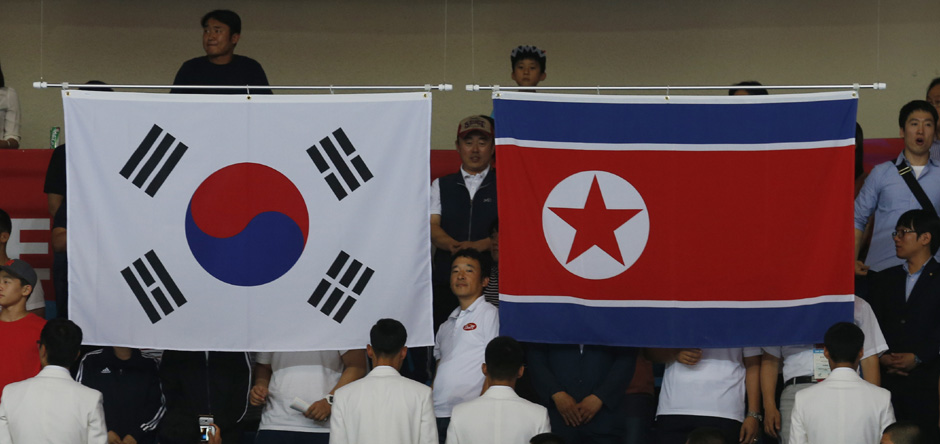
The common thread flowing through these early matchdays of this qualification cycle has been of regional rivalries, much larger than those outside have appreciated; Indonesia v Malaysia for example was barely whispered about. The upcoming Korean derby breaks through that worldwide consciousness, however with relations drawing closer to resolution over the last year, Tuesday’s derby has much more scrutiny put on it than normal.

This will be only the second time ever that South Korea have played in the North Korean capital of Pyongyang, their first competitive outing, having faced their neighbours on neutral territory the last time their paths crossed in qualification. Both teams head into the match in good form on the pitch, boasting 100% records, and having not conceded a goal between them, but outside that the state of play (like much to do with North Korea) is a mystery..

While South Korea’s preparations have been typically public, with coach Paulo Bento speaking quite openly about their priorities heading into this mammoth matchup, the North have remained unsurprisingly quiet, with even the venue kept under wraps until the AFC confirmed the arrangements a few weeks back. They were a shadow of their former selves in the UAE at the turn of the year, falling to three heavy defeats from three at the Asian Cup, but have hit their stride since then, winning the Intercontinental Cup in India over the summer, before picking up solid if only sparingly spectacular wins against Lebanon and Sri Lanka.

Home comforts continue to play a big part in their recent successes in qualification, a matter that they would undoubtedly have been keen on utilising in this upcoming match. What kind of atmosphere will greet the South Koreans is another unknown, but a sellout crowd is highly expected. For many outside observers the pressing issue will be how to view the match; North Korea have regularly shielded coverage of matches, even limiting real time commentary of even FIFA regulated competitive games, it would be in the AFC’s best interests to ensure this one runs transparently.

It comes as North Korean football returns to the forefront of the Asian footballing mind, with domestic champions April 25 making it to the AFC Cup final for the first time in their history. With clamour for coverage expected come the final at the King Il-sung Stadium in early November, the world will be eager to know how far North Korean football has progressed and whether the indications that they were about to integrate into wider society was a sign of what the future may bring or a fleeting statement to appease their political adversaries.

Monday, 9 September 2019

Style & identity: Asian football seeks a way forward


Identity in football is hot business at the moment, and like anything that is proven to walk hand-in-hand with success, a unified vision, style or philosophy is one that is currently being striven for across the world. While club identity is easily malleable, a nation’s identity, once seen as sacrosanct, is anything but. With Asian football keen on taking things to the next level however, we’re increasingly seeing change in this area heading into a new World Cup qualification cycle.

The Saudi flip flop

No national association has experimented more of late than the Saudi Football Federation. While it could be argued neighbouring associations have turned their back on footballing progress and focussed more on the money they can channel out of it, the SFF have continually looked to invest and challenge the progress of the national team and the standard of their domestic league.

The appointment of Herve Renard over the summer was a real coup, an example of how much financial and persuasive sway the SFF have. One of the most sought after coaches outside of Europe, Renard has a promising record of establishing talented individuals into a cohesive unit. A perfect match for Saudi Arabia, a national team that has long been punching below its weight in Asia; plenty of quality, but lacking the harmony.

That of course was until a certain Dutchman; Bert van Marwijk entered ahead of the last World Cup cycle, going on to clinch direct qualification for the first time in 12 years, playing a style of football that was symbolic to the nation’s footballing identity; fast, direct, physical and utterly devastating.

But upon conclusion, van Marwijk’s time was up; coach and FF clashed over residency issues and pre-tournament plans. The SFF made the about turn move to change philosophy altogether, swinging the pendulum to former Chile coach Juan Antonio Pizzi.

Pizzi, spurred on by his employer’s ambition of aesthetic, future thinking football, set about recreating a country’s style from the ground up. Star players were shipped out on loan to Spain, youth team structures were overhauled, while the national team had a complete style revamp.

Out went the traits that got them to this position, intrinsic of a whole generation of Saudi players; in came demands of increased composure in possession (from keeper up to centre forward), slow transition (inviting and capitalising on the press) and fluid positional shifting.

It was no wonder in hindsight that Saudi Arabia fell at two successive major tournaments; crashing out of the group stage of the World Cup, before limping through to a Round of 16 exit at the Asian Cup. The personnel didn’t have the required bedding in period to switch styles so effortlessly, those who went out on loan, despite showing signs of improvement failed to accrue minutes, while considerations of comparable quality with their peers was starting to hit home.

To their credit the SFF stuck with Pizzi longer than many imagined, especially given their global showing in Russia. Yet, what were they going to do? Investment had been willing, transformation had been persisted with, who was going to turn their back on something that was unanimously backed 18 months prior? In the end results will almost always trump ideology, the SFF’s hand was forced; Pizzi exited, Renard entered.

As expected, Renard’s tenure has already started to rewrite the national team picture. One match into his reign (Thursday’s 1-1 draw with Mali), Saudi Arabia returned to their more conservative, reactionary origins, but without the passion and speed van Marwijk was able to harness during World Cup qualification.

We’re one (uncompetitive) match into a new World Cup cycle, so it’s naive to make any sweeping statements of what’s to come; but one things for sure Saudi Arabia are back to square one on the identity front. The action of change doesn’t necessarily correlate to instant success, as their regional rivals, persisting with a more long term approach will attest to.

Long term planning delivers results

Qatar’s vision of creating a whole new footballing structure, from academy right through to national team is as long term as you can get. And while the primary objective was to improve the quality of the players within its ranks; no one should write of the symbolism of having a well honed style that the entire squad believes in.

A squad that was home with one another, and crucially with their coach Felix Sanchez, was the true catalyst behind Qatar’s triumph at January’s Asian Cup, not through a particularly star studded side. The penny is starting to drop; irrespective of the talent you possess, consistency in approach can bring you success.

Two of the most trigger happy nations in Asia; Jordan and Iraq have sought to embrace this. Renewing the managerial contracts of Vital Borkelmans and Srecko Katanec post Asian Cup, wasn’t a sign that either had produced particularly remarkable results, instead an appreciation that their job was only half done. Borkelmans in particular has carved a direct strategy that is becoming succinctly Jordanian; opposed to the disorganised mess that usually greeted fans during numerous short managerial reigns of the recent past.

West Asia isn’t the only region to take a longer term view on things. Over the last few years, Southeast Asia is finally awakening from its slumber as a real contender on the international stage. Vietnam, under Korean coach Park Hang-seo have developed and cascaded a well honed counterattacking identity, with clear designations for it’s personnel.

In a way, Park’s rekindlement of all that is successful in Southeast Asian footballing culture; busy, quick and sharp play has been harnessed with a system that better suits their ability. Finding a perfect way of playing that compliments a nation’s profile is one thing; how to marry this up with expectation is another.

Style or substance; Asia’s big four struggle to find the right balance

The big four in Asia have all been through transitional periods to one degree or another over the last few years, many of them have and will continue to experience change in philosophies offset by the level of expectation put upon their shoulders heading into a new international cycle.

South Korea, you could say endured a tough spell with Uli Stielike at the helm. Many will scoff at the idea that this was somehow a difficult period for Korean football, having made an Asian Cup final, and looking likely to progress to yet another World Cup over that period, yet his style was so un-Korean, meeting paper objectives in the end didn’t matter. A defensive setup, that was designed to make the most of isolated attacks was too much for some to take, despite the accolades it brought.

Similarly, Japan under Bosnian coach Vahid Halilhodzic were starting to finalise an edge, some nous and a direct, impactful approach, before sacking their head coach out of the blue ahead of last year’s World Cup despite being in solid form. The subsequent in-house appointment of Akira Nishino, followed closely by Hajime Moriyasu were brought in specifically to reintroduce the Japanese identity of play; a million miles away from the “get smarter” attitude Halilhodzic persisted with.

The balancing act between style and substance is one that is incredibly difficult to juggle. Despite clinching a debut Asian Cup, Ange Postecoglou’s time as Australia coach was increasingly trying. His attack focussed ambition, that ran into trouble late on, was too much for a footballing fraternity that expected a certain standing; scraping through against Syria wasn’t deemed good enough irrespective of the way they were doing it.

And with Iran, Asia’s prized diamond over the last few years, ideology and how they look to move to the next level is quite attently in focus. Replacing the grandeur of Carlos Queiroz is a mammoth test at the best of times, but managing the transition from defensive stalwarts, to a proactive attacking mentality, that their ever-improving squad demands is proving hard for some of their fans to grasp hold of.

A narrowing field; minnows start to close the gap

Uncertainty, a preference to standstill at the top and the heavy burden of expectation all add to a continental footballing landscape which is narrowing year-on-year. The renovation of World Cup qualification and the expansion of the Asian Cup have both helped along the progress of the middle to lower ranked member associations, however the willingness to learn and improve, whilst observing they can truly compete at the next level is starting to enact change.

Previous minnows are now becoming some of the most exciting prospects to watch; Philippines under the guidance of Scott Cooper, continue to set up on a positive footing (if on occasion, as their 5-2 defeat to Syria attests, they are still a work in progress defensively), Turkmenistan are shaking off their cautious inward looking past by appointing a foreign coach for the first time in their history, while Taiwan, are looking at making great strides past their regional glass ceiling under English coach Louis Lancaster.

Rather pleasingly, the trend for positive, attacking football which is pertinently in vogue across Europe is being replicated in Asia. It’s by no surprise, that two of the biggest underachievers in Asia still left with question marks beside them; China and Uzbekistan, continue to go over old ground, relying on prestigious but arguably outdated coaches. But the question mark against most remains the same, who can afford to take a sustained risk away from the perceived tried and trusted?

Saudi Arabia start their World Cup qualification campaign, away against Yemen (in Bahrain) on Tuesday evening. While a return to a physical, direct, individual style of play probably suits the capabilities of this current squad, such turmoil presented with a regular ideological shift over the last few years could well come back to bite them on the backside. Renard has an impressive reputation for rallying a squad round a cause, but it’s to be seen if they can rekindle the same sort of unity that saw the Green Falcons flourish four years ago.

Thursday, 9 June 2016

AFC International Week Focus (June)


It’s been more than 14 months since Asia’s elite nations last had the chance to test their metal with the World’s best in international friendlies, in that time of course we’ve raced through Round 2 of World Cup/Asian Cup qualification, finding out the final 12 in the race for Russia 2018. Alongside this window which saw the very best compete against some of Europe’s finest, of course preparing for their very own continental tournament, we also saw some inter-regional clashes in friendly tournaments and some competitive action for Asia’s minnows facing off in the first round of Asian Cup qualification playoffs.

Asia's Top 10 Friendlies

2014's World Cup was the clearest reminder of how Asia has fallen behind the rest of the world. From now on, if a major Asian nation with World Cup qualification aspirations isn't organising friendlies with Europe's elite during international windows, it's broadly seen as a missed opportunity. Australia have been at the forefront of this, after successfully drawing with Germany last year. This time it was less successful in terms of the results, but again Ange Postecoglou's side came out of their three fixtures with plenty of credit and admiring glances, suggesting a real improvement from 2015's Asian Cup victory.


A narrow defeat to England (1-2) was followed up with a win (1-0) and a defeat (1-2) at home to Greece. Every match had it's positives and negatives, while Postecoglou rolled out both 433/442-diamond formations that have become expected to followers of the Socceroos, while there were numerous debutants with varying levels of success. The next stage as the coach stated himself is to ensure more of his players are moving, and playing regularly in Europe, primed directly at midfielder Aaron Mooy who's likely to leave Melbourne City this summer.

Elsewhere the greatest success story of the week came through Iran, who recorded back to back victories against Macedonia (3-1) and Kyrgyzstan (6-0). Hardly the kind of tests they'd desired, given their Croatia friendly fell through late on, but it was another decent opportunity to illustrate their attacking capabilities, Sardar Azmoun in particular impressing with four goals over the week.

It was a very up and down week for Korea Republic followers, initially getting smashed 6-1 to European champions Spain, before redeeming themselves somewhat with a 2-1 win over Czech Republic. The first result will however linger long in the memory, as this match was promoted as Korea's chance to illustrate how far they'd come under Uli Stielike, having not lost since their Asian Cup final appearance last January. The loss was greeted with disdain, some comparing it to the country's most embarrassing defeat in their history, something that needs to evaporate quickly ahead of their World Cup qualification return.

Also this week, China PR predictably opted to stay at home, as they've been known to for year's of international windows, mainly due to their lack of European based talent. Hence their opposition was at a weaker level, with established nations warming up for their respective continental tournaments. A 4-2 victory over Trinidad & Tabago followed by a shock loss to Kazakhstan does little in inspiring the nation however, especially given their limp progression to WCQ Round 3 in March. Amidst the disappointment strikers Jiang Ning and Zhang Yuning helped their causes with promising displays against T&T. The former notched his fourth in three starts since his return from three years away from the national team setup, while the latter scored a brace and laid on another for Jiang on his debut.

In Kirin Cup action, the first edition of the tournament that included more than two teams taking part in it for 5 years, hosts Japan broadly met current expectations. Facing European sides free from Euro 2016 commitments. Japan waltzed past Bulgaria 7-2, underlining their ability to fly past teams who they dominate possession against, before losing to Bosnia-Herzegovina 2-1 in the final, illustrating some of the same shortfalls that have been present for a while. One being the lack of fighting spirit or physical grit needed to compete against other continents, highlighted by coach Vahid Halilhodzic. It remains the same old story sadly.

Finally, considering the one off friendlies of Asia's elite, Uzbekistan who had their friendly against Equatorial Guinea cancelled earlier in the week went on to taste defeat against Canada in their encounter in Austria, while Qatar, who also traveled to central Europe, despite a promising opening went on to lose 3-1 against Euro 2016 qualified but considerable outsiders Albania.

King’s Cup

Thailand's King's Cup, a regular friendly tournament usually a place for Youth team experimentation felt a much more worthwhile venture this year with fellow WCQ Round 3 qualified nations UAE and Syria alongside a continental Top 10 side Jordan. For one it allowed an interesting look at those outsiders for World Cup qualification, but for another it pitted the West of Asia against Thailand in the East Asians back yard. 


The Thais became eventual victors first avoiding a scare against Syria in the semis, initially losing a 2-0 lead before progressing on penalties, while in the final they eased past Jordan 2-0 for their first title in the event since 2007. Jordan themselves will be happy with their efforts given their devastating exit in World Cup qualification in March, while rebuilding under a home coach such as current caretaker Abdullah Abu Zema, already illustrates the benefits of not extending Harry Redknapp's brief spell in the national team hot seat.

Syria bounced back from defeat on penalties to Thailand by clinching third over UAE. National pride was at stake, if nothing else given both nations were missing key players, however results such as these do offer hope that Syrian expectations in WCQ don't necessarily need to be so low.

AYA Bank Cup

Elsewhere in the region, Myanmar hosted the inaugural AYA Bank Cup in Yangon. Vietnam who made it through to the final with a penalty shoot out win over Hong Kong, clinched the title with style easing past Singapore 3-0 in the final. For the losers it was another disappointing week of football. They did clinch a debut victory for incoming boss Varadaraju Sundramoorthy, however they did do it against the run of play against the hosts in the semi-finals.


Overall it was a case of what could have been for Myanmar, often regarded as a minnow of South East Asian football, they more than competed once again. After cruelly being beaten by Singapore in the semis they eased past Hong Kong 3-0 to clinch third. All four East Asian nations will take part in Asian Cup Qualification Round 3 when the group state returns in March. 

Asian Cup Qualification Playoffs

Speaking of ACQ Round 3, there were still 8 places to be decided, to be determined over two rounds of home/away playoffs, the first of which took place this week. Cambodia, India, Malaysia, Tajikistan and Yemen all clinched their place in March's group stage, while the losers will be given another chance to redeem themselves when they join Bhutan in September/October's second batch of playoffs.


The first tie between Cambodia and Chinese Taipei was broadly seen as a match up of two of the worst sides from WCQ Round 2, however provided one the most entertaining ties of the week. Cambodia's successful 4-2 on aggregate victory after initially clinching a 2-2 draw away in Taiwan can be attributed to a fantastic home support in excess of 50,000 in Phnom Penh. Keo Sokpheng stood out in particular over both matches as a talented wide midfielder, in what was a heated battle on and off the ball.

India went someway to proving their doubters wrong with a comprehensive 7-1 aggregate win over
Laos, including a 6-1 thrashing upon their return home. There was much needed hope in the goal scoring department, something they've relied upon for so long from ageing central striker Sunil Chhetri. A possible successor is within their midst, Jeje Lalpekhlua scored the decisive goal in Vientiane before opening the scoring back in Guwahati.

Effective back-to-back home legs for Malaysia produced the same result, two 3-0 wins over Timor-Leste that assured their progression. While Malaysia looked a side back in full confidence, the state of East Timorese football continues to fall to a new low. Another example of putting their faith in either ageing Brazilian born nationalised players or local teenagers continues to falter. It often looks like a financial situation that contradicts its self, assuming they are paying considerable amounts to fly in Brazilian talent from their club bases across Asia, however they continue to lack the relevant resources, again turning up in fake knockoff Adidas kits for the matches.

On a more pleasing note, Tajikistan look a side that are moving quickly up the gears at the bottom of Asia's international game. A 6-0 aggregate win over Bangladesh was conquered in relatively comfortable fashion, almost branding the return leg in Dhaka as a dead rubber, and so it was played like. They'll go into March's next round of qualification in high hopes, in practice they shouldn't have got themselves in such a state that they needed to go through the playoffs, however the fact they witnessed competitive football during this window will only aid their preparation going forward.

Finally, Yemen lived up to what I've been hoping of them over the last few years, recording dual 2-0 victories "home" and away against Maldives. Their island nation opponents were still getting to grips with losing Ali Ashfaq to impending retirement, while injury would've ruled him out anyway here, while Yemen finally replicated their proficiency in defence in clinical style in front of goal. Their victory ensured that only East Asian sides are left at the wrong end of Asian pyramid, as the next round of playoffs approach. 

Tuesday, 31 March 2015

AFC International Week Focus (March)


The new International Cycle for Asia kicked off in unspectacular fashion this week with a final round of friendlies ahead of the real bread and butter which begins in June when the joint World and Asian Cup qualifiers continue in earnest. While much on display meant little, there were a number of interesting subplots as some nations kicked off their campaigns with new coaches in play, others tested themselves out against some of the finest squads from around the globe, while some were playing their way into relevant seeding pots ahead of April’s qualifying draw. Here’s a look back over preceddings involving those who will likely fall in the top two seeding pots.

First Seeds

Stability is an assumed given going into a new international campaign, a fresh start to put to bed any unknowns that previously had stood in your way, however this was never going to be the case in Iran. A good year now into a war of words between coach and federation has seemingly come to a head with long term manager and firm national hero Carlos Queiroz expected to leave in the coming week. I say expected, he's confirmed he will leave, however this isn't for the first time, so no one really can tell. Either way, going forward Iran aren't going into World Cup qualification with any sort of cohesion.

As far as the action on the pitch is concerned things are a whole lot rosier. Back to back testing friendlies in Europe is a world away from the last couple of years when Iran barely organised the odd local friendly against sub standard opposition. For the time being at least the IFF have upped their game. The encounters were competitive and for the most part rewarding, especially a 2-0 win victory over a pretty much full strength Chile team. In one of Iran's best performances during Queiroz's time in charge, they took the game to the South Americans and finally showed some valuable attacking intent. Their second tie in Sweden didn't see them return to the same level of performance however, as the inevitable exit of Queiroz loomed large.

Alongside Iran, Australia chose to test themselves in Europe against improved opposition. Two months off the back of clinching their first Asian Cup title on home soil, the Socceroos travelled to Europe for two rather differing challenges. First up, the World champions Germany, a test of Australia’s capabilities to break up and counter against an opposition that dominated possession. The Socceroos’ passed with flying colours and could have clinched a victory in Kaiserslauton, all but for a late German equaliser. Ange Postecoglou’s positive tactics impressed from the start, leaving three mobile forwards high up the pitch to punish the home side on the break.

Their second encounter was a completely different one, that of travelling to face FYR Macedonia. Australia expectantly dominated possession but lacked the injinuity to create many promising openings. The fluid attacking trio that had impressed only days before were left frustrated, and while their defence were rarely troubled, they came away frustrated with a goalless draw to boot. The 2-2 draw in Germany will capture the headlines but in truth the match in Skopje may prove the most useful. The Socceroos have pace in attack to counter most teams, it’s their general build up play that needs assessing especially against weaker opposition.

While their peers tested themselves in Europe, the East Asian giants of Japan and Korea Republic stuck to home comforts with two lower key ties a piece. Japan kicked off the new reign of Vahid Halilhodzic in solid and at times encouraging fashion, putting away visiting Tunisia (2-0) and Uzbekistan (5-1) without too much worry. It’ll likely be a while before we finally see the true “Haliljapan” in all its glory. Korea Republic also had a solidly successful week, drawing against Uzbekistan (1-1) before narrowly beating New Zealand (1-0). Nothing special was really on offer apart from their continual solidity which Stielike’s side are now becoming known for. For the Uzbeks it continues to be a work in progress with plenty of experimentation on show from Qosimov in a regenerating squad.

One of the most anticlimactic weeks on offer was from China PR, who off the back of a surprising campaign in Australia, disappointed with two draws in friendly competition at home to Haiti (2-2) and Tunisia (1-1). The former was the most displeasing given they started with much of their “A” team before salvaging a draw from two losing positions. One man who will come out of this week in highspirits however will be Beijing Guoan striker Yu Dabao, who despite a hardly prolific goalscoring record domestically, notched a goal in each tie to bring himself into Alain Perrin’s plans.

Iraq were amongst the biggest winners of the week with back to back wins over DR Congo going someway to securing their place as the final top seed. There had been some real concerns over the appointment of Akram Salman after such a promising Asian Cup campaign, but at least on the face of it the ship is steady going into World Cup qualification. The real highlight came from in-form Iraqi midfielder Yaser Kasim who powered home the winner on Tuesday. A new, young and exciting Iraq side has peaked at the right time which should ease their passage through qualification. Joining them as top seeds will be UAE, who sat out from official friendly action this week.

Second Seeds

There was little to cheer from the “second tier” of Asian footballing nations, however one side continues to stand out as they regained some of their lost form from January’s Asian Cup. Qatar recorded back to back home victories over Algeria and Slovenia in a professional manner, the latter a 1-0 win over a side who had banged in 6 only days before in their midweek European qualifier. While both matches were played in the hardly partisan Al-Sadd Stadium in Doha, credit needs to be flung the Qataris way given their pointless exit from Australia. The highlight over the two ties can only be attributed to left back Abdelkarim Hussain who hit a stunning winner against the Slovenians.

Elsewhere there were only a few victories to shout about. Saudi Arabia edged past a poor Jordanian side 2-1 thanks to a late brace from in-form Mohammad Al-Sahlawi. Bahrain may have tasted a humbling defeat at the hands of Colombia, going down 6-0, but did get back to winning ways with a narrow win over the Philippines. Marjan Eid’s early reign as Bahrain coach has been up and down but the signs are there of improvement in some key areas. Thankfully the Bahrain FA remain fully behind their unfashionable home coach.

There were a number of miserable weeks to choose from but one sticks out as the worst given its longer reaching impact That being of Oman, who had started so well with an impressive 6-0 win over Malaysia to kick start the week. However, it was always known that given Iraq’s performances at the weekend, they were in need of the maximum points over Algeria to have any chance of clinging onto the final top seed spot. They predictably didn’t live up to it, losing 4-1 to a rejuvenated Algerian side seeing them plummet out of the top 8 and into a perilous position ahead of April’s draw.

As far as consistant failings go Jordan will have more to be depressed about as they lost another two games to West Asian neighbours. While a late penalty for the Saudis seeled their fate in their 2-1 reverse on Monday, their 1-0 defeat to Syria earlier in the week was yet another failing of the squad and in particular manager Ray Wilkins' early campaign. The Englishman has now been in charge 7 months and has only won 1 of his 14 matches in charge. His days are surely numbered. One crumb of comfort is that Jordan couldn’t slip from a second seeded spot, and in the end neither could Kuwait, who despite a plucky performance but ultimate defeat to Colombia remained in the top 16.

Elsewhere the FIFA calculaters came into play, often punishing those who had organised friendlies over those who had opted out all together. Defeats for the Philippines and the Maldvies proved immensely costly as they dropped out of the running for a second seeded spot. Both impressed in last year’s Challenge Cup but will likely be looking ahead to two big sides ahead of them when they start their qualifying campaign in June. With two sides losing out, two have consequently benefited. Vietnam were already in pole position to remain in the top 16, but will likely move up a spot despite not featuring this week. As will Afghanistan, who instead concentrated their efforts on their Under 23 side this week, moving in at expense of the Philippines without kicking a senior ball. How ironic that in qualification, the biggest movers could have benefited after not even being on the pitch.

Wednesday, 19 November 2014

AFC International Week Focus (November)


For many, November’s international window hosted their final preparation matches before January’s Asian Cup in Australia. With no official break scheduled for December, the established nations of Asian football will only return at the turn of the year for their pre-tournament training camps, while other nations (mainly West Asian sides) have organised unofficial preparation outside the FIFA calendar for the end of the year. This month also saw the participation of the final regional tournaments of the year with West Asia’s Gulf Cup and the EAFF East Asian Cup qualifiers taking place.
 
Good Week
 
The period’s biggest winners were undoubtedly Japan, with the Samurai Blue recording back to back home victories ahead of their Asian Cup crown pursuit. Javier Aguirre reverted back to much of the World Cup squad that had failed under Zaccheroni, and they repaid the faith, starting with an impressive 6-0 victory over Honduras before comfortably beating Asian Cup host’s Australia 2-1. Returning veterans Yasuhito Endo and Yasuyuki Konno claimed goals to push forward their squad contention hopes, while diminutive winger Takashi Inui grabbed a brace against the Central Americans.
 
Iran took to the international stage for the first time officially since the World Cup and impressed with a solid 1-0 home victory over Korea Republic. A late Sardar Azmoun goal sank the Korean’s after a bad tempered affair in Tehran. Carlos Queiroz, who signed a contract extension last month tinkered with the shape of the side and promised a more attacking outlook when they travel to Australia. The approach is likely to take time to embed but the introduction of Alireza Jahanbakhsh from the start and Rubin Kazan’s Azmoun off the bench points in the right direction.
 
Seven West Asian qualified nations kicked off their Gulf Cup campaigns this week, and prior to the competition were broadly successful in their preparation matches. Hosts Saudi Arabia overcame Palestine 2-0, while fellow Group A nations Qatar and Bahrain eased past Korea DPR and Singapore in their respective friendlies. Reigning Gulf Cup champions UAE also went into the tournament on a high with a narrow 3-2 win over Lebanon while Oman beat Yemen 2-0 in Muscat.
 
Average Week
 
Only in his second month in charge, Uli Stielike took his Korea Republic side to West Asia to face Jordan and Iran. Despite a narrow victory over the Jordanians, Korea went down 1-0 to a late winner in Iran. Complaints over the officiating of the match and the winning goal in particular riled the German coach after the match. Stielike suggested that Iran’s over-physical tactics weren’t punished sufficiently over the 90 minutes but reflected that the trip had been an overall success despite the defeat with a number of returning internationals such as Kwak Tae-Hwi and Yoon Sun-Young bringing themselves back into January’s squad contention.
 
After a couple of promising months China PR were frustrated in November picking up two home draws over the week. Letting slip a late equaliser to New Zealand after Wu Lei put them in front was disappointing after the Chinese equipped themselves well, while the second encounter against Honduras was a stiffer contest against a side on the bounce back of a hammering to Japan, the game eventually ended in a stalemate. It was similarly bitter sweet for Palestine, who despite defeat to Saudi Arabia recovered to ease past Vietnam 3-1 courtesy of a debut goal for centre forward Mahmoud Eid.  Both sides have time to finely tune their squads, and will face each other in mid-December to further cement their Asian Cup starting line-ups.
 
Elsewhere, Kuwait’s preparation for their Gulf Cup campaign ended in anti-climax after being held to a 1-1 draw with Yemen. A result that previously would have been considered a disappointment, has looked better in hindsight after both sides started promisingly in Saudi Arabia. Similar fortunes for Korea DPR who were defeated by Qatar 3-1, before going on to record two victories and a draw as they ensured qualification for next year’s EAFF East Asian Cup.
 
Bad Week
 
Asian Cup hosts Australia continue to struggle to pick up results in the run up to the competition after they lost for the 8th time in 11 matches against rivals for the crown Japan in Osaka. Manager Ange Postecoglou ringed the changes after a disappointing camp in West Asia last month but were again thankful of their usual talisman Tim Cahill rescuing some pride from the bench in the 2-1 reverse. A handful of areas remain a concern, but what Postecoglou’s side needs is confidence, something the Socceroos will have to develop on the training pitch ahead of January.
 
Similar struggles are being felt by Jordan at the moment, who have failed register a win since qualification for the Asian Cup, some 7 months ago. Little tangible change has been felt since Ray Wilkins took the helm last month, and with back-to-back defeats to Korea Republic and Estonia, Jordan can expect another drop in the FIFA’s world rankings. They do however have time to improve ahead of the Asian Cup with friendlies scheduled in December and early January, as will Uzbekistan and Iraq who sat out this month’s friendly window, the latter have subsequently begun slowly in their Gulf Cup campaign.

Wednesday, 15 October 2014

AFC International Week Focus (October)


We’re now a month closer to the Asian Cup in Australia, with qualified nations gearing up their preparation over October’s international break. Further to their upcoming continental commitments in January, many West Asian sides are set to finely tune their squads ahead of the Gulf Cup taking place in Saudi Arabia next month. Here’s a run-down of all 16 AC qualified nations and whether they’ve succeeded in this international window or are in need of greater improvement over the coming months.
 
Good Week
 
Qatar are gearing up impressively ahead of both the Gulf Cup and Asian Cup after three back-to -back victories this week. The achievement was even more impressive considering their opponents, either side of a comfortable 5-0 victory over Lebanon, Qatar eased past Asian Cup dark horses Uzbekistan before concluding the week with a narrow victory over January’s hosts Australia. Three goals from Meshaal Abdulla capped a brilliant week for the Qataris who have great hopes of going far in both tournaments in the coming months.
 
China PR also continued an impressive up-turn in form, as they made it four games unbeaten with a 3-0 win over Thailand and a 2-1 victory over Paraguay. Widely disregarded as also-rans, the latter result has firmly put China back on the minds of many pundits ahead of Australia. The credentials of Palestine are also improving month-by-month after they themselves collected two wins from two this week. Victories away in India and Pakistan went some way to allay fears of destabilisation after long-term manager Jamal Mahmoud resigned last month.
 
Others who had impressive weeks were Kuwait and Iran. The former overcame their 55 position ranking deficit to come away from a double header in Jordan unbeaten. Seemingly off the pace previously, Kuwait now look an appealing prospect in the Gulf Cup next month. Iran themselves, have been all over the place as usual from an organisational point of view. Two wins from two inspired by striker Sardar Azmoun on an unofficial tour of Portugal will go some way to calm the nerves of their supporters, but a stiffer test against Korea Republic next month should push them further.
 
Average Week
 
The two big guns in East Asia; Japan and Korea Republic are going through flux at present after both changed their coaches since their World Cup exits in the summer. Both recorded a win and a loss over the week which leaves them both with room to improve. Javier Aguirre continued to tinker with his Japanese squad, and despite a solid 1-0 win over Jamaica, they were thoroughly hammered by a Neymar inspired Brazil side in Singapore. Korea on the other hand picked up their first win of Uli Stielike’s tenor against Paraguay before limply falling to Costa Rica.

After a comprehensively impressive September, Uzbekistan struggled in October with back-to-back blanks away from home, losing 3-0 to Qatar, before a goalless draw with Bahrain. A return to form with a 4-0 away win over UAE suggests they merit their Asian Cup dark horse tag, but there’s still some work to be done. As there is with Gulf Cup hosts’ Saudi Arabia who clinched two home draws during the window. An eye-catching 1-1 draw with Uruguay wasn’t followed up sufficiently with a disappointing draw with Lebanon by the same score line.
 
Another two to feel slightly deflated are Bahrain and Iraq, after they shared the spoils with a goalless draw in Ar Rifa to finish the week. Bahrain’s solidity hasn’t been in question, but scoring goals continues to be a problem. A 0-0 draw against Uzbekistan in Dubai was a good result, but draws can only go so far when the Gulf Cup kicks off. Iraq, had promised to threaten at both tournaments but have gone off the boil of late. A 1-1 draw with Yemen that preluded the Bahrain draw won’t have gone down too well back at home.
 
Bad Week
 
Ange Postecoglou celebrated 10 matches in charge of Australia this window, but failed to clinch another victory to his portfolio over the week. A solid but far from spectacular 0-0 draw away in UAE was followed up with a 1-0 defeat to Qatar. While their squad and general play up until and during the World Cup impressed many, Postecoglou can’t get away from a miserable record of winning only two of his first 10 matches in charge.
 
Despite their draw with the Socceroos, UAE finished their week miserably with a home hammering by Uzbekistan. Up until then, the Emirati’s had drawn their last four, with goal scoring becoming a real headache for them ahead of the Gulf Cup. No such problem for Oman who scored 3 against World Cup overachievers Costa Rica. However, going down 4-3 in the end to the Central Americans, plus a 3-0 home defeat to Uruguay isn’t great news for their leaky defence.
 
From one struggling side to another as Ray Wilkins’ term as manager of the Jordan national side started poorly. In back-to-back home matches against Kuwait, Jordan were regularly second best and ended up picking up only one draw. Despite their high FIFA rank, Jordan have been in disarray of late after numerous managerial changes, something Wilkins will hope to change next month as they take on Korea Republic.
 
The other Korean nation travelling to Australia in January, Korea DPR continued not to play any official public friendlies this international break, an inactive period that now stretches back 8 months. This will come to an end in November, after organising four friendly matches against Qatar, Hong Kong, Guam and Chinese Taipei.

Saturday, 13 September 2014

AFC International Week Focus (September)


We’re now two months on from the World Cup final in Brazil and we return for another international cycle starting with the September internationals. While Africa looks on at the AFCON qualifiers taking place over the next few months, Asia are preparing themselves for upcoming Asian Games, Gulf Cup and Asian Cup competitions coming over the horizon. Here's a look at how the Asian Cup qualified sides have done this international period and which sides still need to make improvements ahead of Australia 2015.

Good Week

Uzbekistan were the clear victors in Asia over the international break, with back to back victories over Jordan and New Zealand. Many would argue that they weren’t the stiffest of opponents, with both matches taking place at home, but recording two goal victories over two similarly matched teams isn’t to be scoffed at. The usual suspects in the Uzbek line-up turned in great displays, a brace from Akhmedov and another from Djeparov sealed the 3-1 win over the All Whites.
Another side to have kept an unbeaten record during the week at home was China PR, who recorded a win and a draw over the week. A win over Kuwait followed up with a draw against Jordan are solid results to take into their remaining preparation. Bahrain, likewise collected a win over Kuwait as they prepare for November’s Gulf Cup, where their opponents will likely be a rival for a semi or even final place.
After a dismal World Cup display (in fairness not out of keeping of the rest of Asia), new ground was being tread by Korea Republic as they tried to kick on into a new international cycle. After announcing Uli Stielike as their new head coach last week, Korea recorded an impressive victory led by returning striker Lee Dong-Guk against Venezuela before being edged by a superior Uruguay side. Stielike will take charge of his first match when the October internationals roll around, but he will have been relatively happy with what he saw this week.
Average Week
As average goes, three consecutive draws in a week is pretty stable. However, considering the location of the matches and the opposition they faced the United Arab Emirates will be happy with their period of matches. Their tour took them across Europe to face Norway, Lithuania and Paraguay, and to come back only to have conceded one goal illustrates the standard in which they have been playing at over the last year.
Also on the build are Australia who impressed without getting the results in Brazil, with much of the same being seen again from Postecoglou’s men this week. A loss to an impressive Belgium was expected, while an exciting 3-2 loss to Saudi Arabia in London at the very least avoided an unenviable all time consecutive loss record. There were little tweaks on show, but the final product is still a way away. On the other side, Saudi Arabia have a stable side who struggled defensively against the Australians. They could be forgiven to be playing in an unfamiliar environment, considering the amount of European based talent Australia had at their disposal, but they will have been impressed with their attacking profits.
An away defeat at Uzbekistan illustrates where Jordan are right now within the Asian rankings. An Asian Cup title is a way off at the moment, but a solid showing is necessary to appease their public. A follow up draw with China in Harbin was more impressive and showed what the fans wanted from their team. Qatar equally had an erratic week, after holding AFCON 2015 hosts Morocco to a 0-0 draw in Casablanca they lost 2-0 at home to Peru. The opposition were a stern test, but question marks will remain over their attack going into the Gulf Cup.
Palestine go into the Asian Cup as the lowest rank side and will be happy enough to just be there after a whirlwind few years. That being said a hammering at the hands of Myanmar, who they had clearly progressed further than in the AFC Challenge Cup three months ago wasn’t promising. A 7-3 (after extra time) win over Chinese Taipei gave them some hope, but the standard of opposition is clearly going to step up in Australia. A further note of disappoint was the news that Jamal Mahmoud has stepped down as head coach only months after leading Palestine to Challenge Cup glory.
Bad Week
It’s all change at Japan but the same old problems persist. Mexican Javier Aguirre has stepped into Alberto Zaccheroni’s vacant managerial shoes and has immediately stamped his imprint on the side. Reverting to a 433 with a few unfamiliar names, Japan were soundly beaten by Uruguay before scraping a draw with Venezuela. Both matches illustrated the lack of defensive cohesion that they still suffer from, with their best CB prospect Masato Morishige playing in an unfamiliar holding midfield role.
Back to back defeats against China and Bahrain will not do the confidence of Kuwait any good and just shows their turnaround in fortunes since last year, when they pipped Bahrain in September; with a reasonably strong group in the Gulf Cup they could well struggle. One of their opponents in the competition will be Oman who were outclassed by Ireland in Dublin early in the week. It was a shame they hadn’t organised a second friendly against a similar strength side to themselves ahead of the Gulf Cup, something that isn't being carried over to October where they play Costa Rica and Uruguay.
Iraq were in a similar predicament, after only playing one friendly this week; a 2-0 loss to Peru in Dubai. Iraq have had to piggyback on their neighbour organisations to arrange friendlies in the last decade due to security worries of hosting internationals in their own country. Similar problems were felt by Korea DPR who haven’t played an official friendly since February and will continue to struggle ahead of January to organise worthwhile preperation. Iran have less excuses after a solid showing at the World Cup, but also failed to organise a friendly over the international period. Focus has been firmly fixed on the managerial future of Carlos Queiroz, his soap opera involving the IFF could finally be coming to an end after hearing some promising sounds coming out of both camps in the last week.