Friday, 1 November 2019

The Asian Game


I’m delighted to announce that I’m joining The Asian Game, a new multi-content providing website that aims to become the leading source of English spoken Asian football specific opinion and analysis.

The following links will direct you to the main page, and my author specific page to keep up to date with my regular work.

The Asian Game – Home Page

Martin Lowe – The Asian Game Author Page

I’m in no doubt that I’ll return to these pages at different points to provide more analysis of personal relevance, such as my regular previews, but until then please check out the TAG pages for more of my recent work.


Friday, 11 October 2019

Tajikistan: The rise of the Crowns from Dushanbe


It would have surprised many to see Tajikistan atop their World Cup qualification group come the end of September, but what could initially be assumed as a one off flash in the pan, instead has roots to be one of the more interesting underdog tales of this World Cup cycle.

Tajikistan, in a political sense is regularly likened to North Korea. A closed dictatorship, that is propped up by an impoverished population, drained by an all consuming ruling family, a country well rehearsed in closing itself from the rest of the world. But while North Korea have looked to improve their footballing scene, in hope to project a better image of itself outside its borders, Tajikistan have largely forgotten about theirs.

The domestic game severely lacks funding, from basic infrastructure to playing facilities, Tajikistan’s top tier league continues to shrink in number and shows little sign of shrugging off its corrupt past which stretches to regional associations across Central Asia. The only case of governmental “assistance” comes in the form of leading club Istiklol, who have just romped home for a sixth domestic season in a row.

The president’s son Rustam Emomali instigated the formation of the club back in 2007, in which he featured as a player before moving on to own it entirely. Istiklol are regularly criticised for having the governing body in it’s pocket, the main reason why their dominance has persisted for so long; acquiring their competitor’s very best Tajik talent in way of little to no compensation, whilst benefiting to let’s just say favourable refereeing decisions; in effect ruling the league redundant.

As has recently been the case, domestic interest instead lies continentally, or how the AFC Cup now works on a focussed regional basis. As with Kyrgz champions Dordoi and Tukmen powerhouses Altyn Asyr, Istiklol represent the third jewel (outside Uzbekistan) in the Central Asian football armoury, reaching the final on two occasions in the last four years. While success has on occasion arrived, consistency, as the others have also experienced is difficult to rely upon when the rest of the league are playing catch-up.

While the domestic scene falters, the national team has ignited a bounce, through the appointment of proud and bullish Uzbek coach Usmon Toshev. Far from being a household name, even back home in Uzbekistan, Toshev’s biggest achievements to date have come in Afghanistan prior to taking up the Tajikistan hot seat last year. What he lacks in his CV, he makes up entirely with his passion for the game and his unerring ability to prepare a team.

The starting theme under Toshev is clear, that of discipline. So much so that he used three different words for it in a recent interview (probably says a lot more about Uzbek culture in general) when talking up his impact since arriving. He took over a team without heart, without backing and without direction, turning them full circle into a unit that is far greater than the sum of its parts. He’s conceded that his side lacks individual talent, instead focusing on occasions and emotion to make their mark.

And so they did, in their qualification opener at home to neighbours Kyrgyzstan. A mismatch of a contest with an added derby day feel, a capacity crowd roared on a team, previously lacking a clear idea, to an unlikely opening day victory. Something the fans could hold as their own, outside the control of their ruling overlords.

Toshev’s principles aren’t rocket science, but they’re proving successful. 1) Modernise an outdated structure, 2) curb external influence (banning outsiders from entering the dressing room on matchdays) and 3) trusting in your talent.

Alongside a slow rise in form at senior level, Tajikistan have seen an accelerated rise at youth level; finalists at the Asian U16s last year, while making it to the last eight on the last two occasions at U19 level. Rather than being an exception, Tajikistan’s presence at the top end of Asian youth football is becoming a normality amongst the elite. The tougher task of course, is to replicate such form at senior level. Tajikistan have never qualified for an Asian Cup in their history, but general opinion genuinely believes this is the greatest opportunity yet to rewrite this.

Toshev has embraced the fresher growth of Tajik talent that has succeeded through the youth ranks, handing half a dozen debuts to players under 21 in the last six months, overseeing a squad that regularly averages under 25 years of age. Half of the 23 man squad selected for September were under 21, with the majority of them already reaching double figures in caps.

This last week Tajikistan steamrolled the competition in qualification for next year’s U19s, with a number of seniors playing key roles. The style of play was consistent to that of Toshev’s team; quick, possession focussed with an emphasis on getting it to their number 9, on this occasion 18 year old colossus Shahrom Samiyev who scored 5 goals over the three qualifying matches.

Their youthful base is well complemented by a spine of experience honed in Europe, mainly in Russia, encapsulated by the three Dzhalilov cousins. Defender Iskandar, midfielder Alisher and attacker Manuchekhr who all made decent fists of their time in Russia, but have gone up another level since returning home for both club & country.

Manuchekhr Dzhalilov was the sensation of the last cycle, with his electric capability to stretch defences and score off barely nothing, his power and pace was a constant threat that even drew praise from visiting Australian journalists when the Asian Champions rode into Dushanbe in 2015.

His younger cousin Alisher Dzhalilov promises to have the same impact this cycle, after only being able to tie up his Tajik registration on the eve of qualification. The classic number 10, started with immediate effect, with a man of the match display to go with his match winning goal against Kyrgyzstan which immediately propelled him to national hero status. The former Rubin Kazan playmaker is agile, inventive but also industrious, and will prove to be a thorn in any defence’s side.

Tajikistan’s rise comes at a time when Central Asian football is starting to lurk out of it’s inward looking past. Kyrgyzstan were one of the stand out performers at this year’s Asian Cup, playing some of the most positive and tactically adept play the competition had to offer, while Turkmenistan have embarked on a root and branch reconstruction of their whole structure under new Croat leadership, already having tangible effects, in their narrow defeat to South Korea last month.

Tajikistan sit as the poorest relation in the region, with arguably the least amount of support from its FA. Yet, with an upsurge in talent making its way through and a bold, single minded coach at the helm, Tajikistan are out to provide yet more surprises as this World Cup qualification cycle rumbles on.

Wednesday, 9 October 2019

WCQ Preview: Regional derbies headline the week


Round 2 of World Cup Qualification is never a stage that the Asian elite are particularly fond of; either made to play out comfortable victories or suffer from an outsider out to break a record (or over-enthusiastically and inadvertently a star player’s leg). Fans of those sides would have been mildly enthused however with challenging if in the bulk of cases comfortable opening day fixtures, yet October brings around a stark reminder of the sheer breath of Asian football

Matchday 3 four years ago bore witness to 12 home victories from 15 matches played, one mere “upset”, and a combined total of 73 goals scored against 3 conceded. A one sided avalanche of goals and subsequent questions of whether Asia was sailing in the right direction. Unfortunately, the AFC have failed to address the schedule and plumped for another full accumulator friendly set of fixtures that looks to be heading only one way.

While Thursday in the main looks to be a matchday to watch from behind the sofa, there are molecules of interest in the form of some mammoth regional derbies and the plight of some struggling fallen giants to savour, the two calling cards of this early qualification cycle so far. There remains much to see in International Week, you just might have to scratch the surface to find it.

Suzuki Cup final rematch for two of Southeast Asia’s best

It was a concern of many that Group G was never going to live up to the hefty billing it received upon the WCQ draw at AFC House in July, yet the magic fingers of Tim Cahill have sprinkled their magic in Southeast Asia, as this regional super group starts to meander a complex but entertaining path.

So much so, Indonesia, the notable weakest side in the ladder have seen pressure already flung upon their coach Simon McMenemy after their opening day defeat, such is the expectation and regional pride that is at stake. While UAE, the only team from outside the region within the group, under the calculated Bert van Marwijk look to be avoiding such drama, the melee below offers plenty to the neutral.

Thursday’s monumental clash between Vietnam and Malaysia arguably trumps any other match that day, given the pedigree - a rematch of December's Suzuki Cup final, the significance - defeat would shunt either side way behind the progression spots, and the contrast in styles - a clash of two single minded managers.

As was on display 10 months ago, a positive, attack focussed Malaysia under Tan Cheng Hoe, sought the advantage only to be hit by a clever, well organised but reactive Vietnam counter play, a style embedded by their Korean coach Park Hang-seo.

Vietnam have rode a positive year; their second ever regional crown, followed by an impressive Asian Cup campaign with players making some upward switches abroad. Malaysia on the other hand have had to negotiate preliminary WCQs and have already tasted a home defeat at the hands of UAE.

This match has all the hallmarks of a passing of the baton however, from Vietnam to Malaysia as SEA’s primary focus on the continental stage. It should be considered though, as Malaysia have shown so far, while they offer some of the most exciting and brave football on offer anywhere in Asia, their discipline and focus remains off in key moments.

If Park Hang-seo had to handpick a clash of styles, this would be his ideal situation. With Malaysia in the driving seat to take the initiative, Vietnam set as the pouncing cat ready to turn the tables is a fascinating thought. Yet on the flip side; the attacking duo of Syafiq Ahmed & Safawi Rasid flanked by an improving Mohamadou Sumareh could have you out of sight by half time. This game promises to have it all.

Another new dawn for Uzbekistan?

The eternal bridesmaid story of the Uzbekistan national team is one regularly revisited, however another tale of misery and managerial change pits the team in an all too familiar state of uncertainty heading into this week’s World Cup qualification schedule. As soon as one new era under renowned coach Hector Cuper started, it was over, quickly extinguished upon opening day defeat to Palestine last month. After a moderately successful Asian Cup campaign which promised much going forward, the long wait to see the Uzbek national team appear at a World Cup, continues to look like a long distant dream.

For many it was a case of “I told you so.” Cuper’s appointment had a lot to do with his previous role as Egyptian national team coach; having achieved the ultimate goal of the UFA, of qualifying a team for the World Cup. His tactical acumen has regularly come under scrutiny however; for being systematic and cautious, rather than embracing attacking talent. Uzbekistan clearly don’t have a Mohamed Salah in their midst to inspire a chance out of nothing.

That being said the Asian Cup, in brief moments suggested that Cuper may be able to integrate a young cohort of players that have been impressive of late, with those last few exiting members of the previous golden generation. The likes of Eldor Shomurodov were starting to illustrate their true ability on the continental stage, so a seamless transition into early World Cup qualification was treated as an expectation rather than a wish. Uzbekistan’s opening day defeat in Al-Ram inevitably forced his employers hand, and Cuper was swiftly sacked at the first opportunity, leaving the White Wolves playing catch up from bottom spot.

Whether designed or not, Cuper’s successor Vadim Abramov, into his second stint as Uzbekistan boss, is a hopeful one in terms of his ideals. His mantra for attacking play has been applauded, most recently with a young, exciting Bunyodkor team. Defensively he has always been questioned, most prominently in their 6-0 semi final humiliation to Australia in his last match in charge of the national team at the 2011 Asian Cup, one area that’ll not calm national team observers who have witnessed some ropey to say the least defending over the last few months.

Abramov is flanked by legendary Uzbek international Timur Kapadze, who had temporarily taken the reins of the national team ahead of Cuper’s appointment last year. His impact in those brief months suggested he had the ability to deliver the very best out of the young crop of players coming through, and having such a respected head in the dressing room going forward, should allow for an inspirational edge which they’ve been sorely lacking.

While they start from a low point, Group D remains wide open after similar upsets for Saudi Arabia and Palestine leave the ladder in a particularly tentative state. The question of what will change is also up in the air, as Abramov selected a similar looking squad to that of the Cuper regime. Much of the change will only come on the pitch in their intention, and most probably the positioning of Odil Akhmedov, who continues to play an integral role in how play is dictated going forward.

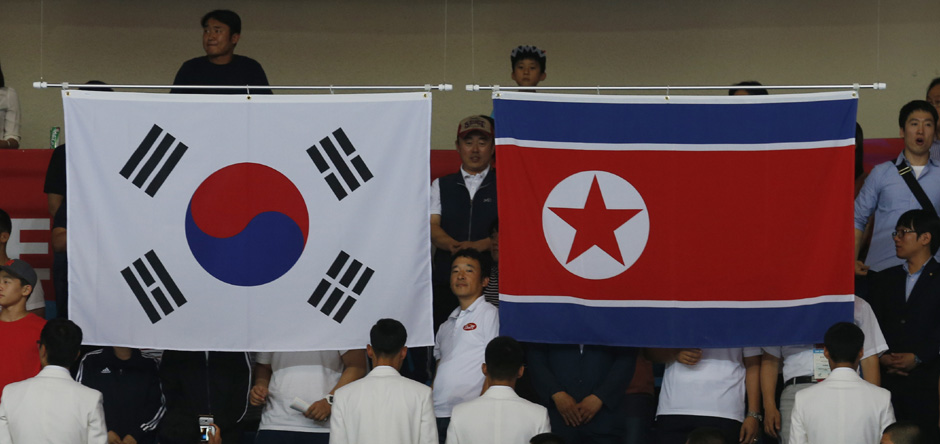
Pyongyang hosts the Korean derby

The common thread flowing through these early matchdays of this qualification cycle has been of regional rivalries, much larger than those outside have appreciated; Indonesia v Malaysia for example was barely whispered about. The upcoming Korean derby breaks through that worldwide consciousness, however with relations drawing closer to resolution over the last year, Tuesday’s derby has much more scrutiny put on it than normal.

This will be only the second time ever that South Korea have played in the North Korean capital of Pyongyang, their first competitive outing, having faced their neighbours on neutral territory the last time their paths crossed in qualification. Both teams head into the match in good form on the pitch, boasting 100% records, and having not conceded a goal between them, but outside that the state of play (like much to do with North Korea) is a mystery..

While South Korea’s preparations have been typically public, with coach Paulo Bento speaking quite openly about their priorities heading into this mammoth matchup, the North have remained unsurprisingly quiet, with even the venue kept under wraps until the AFC confirmed the arrangements a few weeks back. They were a shadow of their former selves in the UAE at the turn of the year, falling to three heavy defeats from three at the Asian Cup, but have hit their stride since then, winning the Intercontinental Cup in India over the summer, before picking up solid if only sparingly spectacular wins against Lebanon and Sri Lanka.

Home comforts continue to play a big part in their recent successes in qualification, a matter that they would undoubtedly have been keen on utilising in this upcoming match. What kind of atmosphere will greet the South Koreans is another unknown, but a sellout crowd is highly expected. For many outside observers the pressing issue will be how to view the match; North Korea have regularly shielded coverage of matches, even limiting real time commentary of even FIFA regulated competitive games, it would be in the AFC’s best interests to ensure this one runs transparently.

It comes as North Korean football returns to the forefront of the Asian footballing mind, with domestic champions April 25 making it to the AFC Cup final for the first time in their history. With clamour for coverage expected come the final at the King Il-sung Stadium in early November, the world will be eager to know how far North Korean football has progressed and whether the indications that they were about to integrate into wider society was a sign of what the future may bring or a fleeting statement to appease their political adversaries.

Monday, 9 September 2019

Style & identity: Asian football seeks a way forward


Identity in football is hot business at the moment, and like anything that is proven to walk hand-in-hand with success, a unified vision, style or philosophy is one that is currently being striven for across the world. While club identity is easily malleable, a nation’s identity, once seen as sacrosanct, is anything but. With Asian football keen on taking things to the next level however, we’re increasingly seeing change in this area heading into a new World Cup qualification cycle.

The Saudi flip flop

No national association has experimented more of late than the Saudi Football Federation. While it could be argued neighbouring associations have turned their back on footballing progress and focussed more on the money they can channel out of it, the SFF have continually looked to invest and challenge the progress of the national team and the standard of their domestic league.

The appointment of Herve Renard over the summer was a real coup, an example of how much financial and persuasive sway the SFF have. One of the most sought after coaches outside of Europe, Renard has a promising record of establishing talented individuals into a cohesive unit. A perfect match for Saudi Arabia, a national team that has long been punching below its weight in Asia; plenty of quality, but lacking the harmony.

That of course was until a certain Dutchman; Bert van Marwijk entered ahead of the last World Cup cycle, going on to clinch direct qualification for the first time in 12 years, playing a style of football that was symbolic to the nation’s footballing identity; fast, direct, physical and utterly devastating.

But upon conclusion, van Marwijk’s time was up; coach and FF clashed over residency issues and pre-tournament plans. The SFF made the about turn move to change philosophy altogether, swinging the pendulum to former Chile coach Juan Antonio Pizzi.

Pizzi, spurred on by his employer’s ambition of aesthetic, future thinking football, set about recreating a country’s style from the ground up. Star players were shipped out on loan to Spain, youth team structures were overhauled, while the national team had a complete style revamp.

Out went the traits that got them to this position, intrinsic of a whole generation of Saudi players; in came demands of increased composure in possession (from keeper up to centre forward), slow transition (inviting and capitalising on the press) and fluid positional shifting.

It was no wonder in hindsight that Saudi Arabia fell at two successive major tournaments; crashing out of the group stage of the World Cup, before limping through to a Round of 16 exit at the Asian Cup. The personnel didn’t have the required bedding in period to switch styles so effortlessly, those who went out on loan, despite showing signs of improvement failed to accrue minutes, while considerations of comparable quality with their peers was starting to hit home.

To their credit the SFF stuck with Pizzi longer than many imagined, especially given their global showing in Russia. Yet, what were they going to do? Investment had been willing, transformation had been persisted with, who was going to turn their back on something that was unanimously backed 18 months prior? In the end results will almost always trump ideology, the SFF’s hand was forced; Pizzi exited, Renard entered.

As expected, Renard’s tenure has already started to rewrite the national team picture. One match into his reign (Thursday’s 1-1 draw with Mali), Saudi Arabia returned to their more conservative, reactionary origins, but without the passion and speed van Marwijk was able to harness during World Cup qualification.

We’re one (uncompetitive) match into a new World Cup cycle, so it’s naive to make any sweeping statements of what’s to come; but one things for sure Saudi Arabia are back to square one on the identity front. The action of change doesn’t necessarily correlate to instant success, as their regional rivals, persisting with a more long term approach will attest to.

Long term planning delivers results

Qatar’s vision of creating a whole new footballing structure, from academy right through to national team is as long term as you can get. And while the primary objective was to improve the quality of the players within its ranks; no one should write of the symbolism of having a well honed style that the entire squad believes in.

A squad that was home with one another, and crucially with their coach Felix Sanchez, was the true catalyst behind Qatar’s triumph at January’s Asian Cup, not through a particularly star studded side. The penny is starting to drop; irrespective of the talent you possess, consistency in approach can bring you success.

Two of the most trigger happy nations in Asia; Jordan and Iraq have sought to embrace this. Renewing the managerial contracts of Vital Borkelmans and Srecko Katanec post Asian Cup, wasn’t a sign that either had produced particularly remarkable results, instead an appreciation that their job was only half done. Borkelmans in particular has carved a direct strategy that is becoming succinctly Jordanian; opposed to the disorganised mess that usually greeted fans during numerous short managerial reigns of the recent past.

West Asia isn’t the only region to take a longer term view on things. Over the last few years, Southeast Asia is finally awakening from its slumber as a real contender on the international stage. Vietnam, under Korean coach Park Hang-seo have developed and cascaded a well honed counterattacking identity, with clear designations for it’s personnel.

In a way, Park’s rekindlement of all that is successful in Southeast Asian footballing culture; busy, quick and sharp play has been harnessed with a system that better suits their ability. Finding a perfect way of playing that compliments a nation’s profile is one thing; how to marry this up with expectation is another.

Style or substance; Asia’s big four struggle to find the right balance

The big four in Asia have all been through transitional periods to one degree or another over the last few years, many of them have and will continue to experience change in philosophies offset by the level of expectation put upon their shoulders heading into a new international cycle.

South Korea, you could say endured a tough spell with Uli Stielike at the helm. Many will scoff at the idea that this was somehow a difficult period for Korean football, having made an Asian Cup final, and looking likely to progress to yet another World Cup over that period, yet his style was so un-Korean, meeting paper objectives in the end didn’t matter. A defensive setup, that was designed to make the most of isolated attacks was too much for some to take, despite the accolades it brought.

Similarly, Japan under Bosnian coach Vahid Halilhodzic were starting to finalise an edge, some nous and a direct, impactful approach, before sacking their head coach out of the blue ahead of last year’s World Cup despite being in solid form. The subsequent in-house appointment of Akira Nishino, followed closely by Hajime Moriyasu were brought in specifically to reintroduce the Japanese identity of play; a million miles away from the “get smarter” attitude Halilhodzic persisted with.

The balancing act between style and substance is one that is incredibly difficult to juggle. Despite clinching a debut Asian Cup, Ange Postecoglou’s time as Australia coach was increasingly trying. His attack focussed ambition, that ran into trouble late on, was too much for a footballing fraternity that expected a certain standing; scraping through against Syria wasn’t deemed good enough irrespective of the way they were doing it.

And with Iran, Asia’s prized diamond over the last few years, ideology and how they look to move to the next level is quite attently in focus. Replacing the grandeur of Carlos Queiroz is a mammoth test at the best of times, but managing the transition from defensive stalwarts, to a proactive attacking mentality, that their ever-improving squad demands is proving hard for some of their fans to grasp hold of.

A narrowing field; minnows start to close the gap

Uncertainty, a preference to standstill at the top and the heavy burden of expectation all add to a continental footballing landscape which is narrowing year-on-year. The renovation of World Cup qualification and the expansion of the Asian Cup have both helped along the progress of the middle to lower ranked member associations, however the willingness to learn and improve, whilst observing they can truly compete at the next level is starting to enact change.

Previous minnows are now becoming some of the most exciting prospects to watch; Philippines under the guidance of Scott Cooper, continue to set up on a positive footing (if on occasion, as their 5-2 defeat to Syria attests, they are still a work in progress defensively), Turkmenistan are shaking off their cautious inward looking past by appointing a foreign coach for the first time in their history, while Taiwan, are looking at making great strides past their regional glass ceiling under English coach Louis Lancaster.

Rather pleasingly, the trend for positive, attacking football which is pertinently in vogue across Europe is being replicated in Asia. It’s by no surprise, that two of the biggest underachievers in Asia still left with question marks beside them; China and Uzbekistan, continue to go over old ground, relying on prestigious but arguably outdated coaches. But the question mark against most remains the same, who can afford to take a sustained risk away from the perceived tried and trusted?

Saudi Arabia start their World Cup qualification campaign, away against Yemen (in Bahrain) on Tuesday evening. While a return to a physical, direct, individual style of play probably suits the capabilities of this current squad, such turmoil presented with a regular ideological shift over the last few years could well come back to bite them on the backside. Renard has an impressive reputation for rallying a squad round a cause, but it’s to be seen if they can rekindle the same sort of unity that saw the Green Falcons flourish four years ago.

Friday, 14 June 2019

Copa America 2019: Japan (Preview)


A year into his reign as national team coach, Hajime Moriyasu switches focus ahead of a new cycle of World Cup qualification, to consider the small matter of national pride in their warm up to hosting the Olympics in 12 months’ time. While the Copa America represents a worthy continental prize to the South Americans taking part, as one of the two invited teams in this year’s tournament, Japan will distinctly be travelling with different measures of success being attached to their plans.

The last month has borne witness to a myriad of squad announcements, most of which have conflicting restrictions and briefs; Japan’s U20 side travelled to the World Cup in Poland, an U22 selection travelled to France to play in the annual Toulon youth tournament, a more recognisable senior outfit was selected for two international friendlies at the long laboured Kirin Cup, while a mixture of all three was selected in a predominantly Olympic games focussed squad travelling to Brazil for the Copa America.

There’ll undoubtedly be a few Japanese players out there feeling hard done to, as every man and his dog seemed to be called up to one squad or another. An interesting personal example to highlight the stretched resources over the last month sees Hamburg midfielder Tatsuya Ito having to feature in the Toulon final on Saturday night (ironically against Brazil), before travelling half way across the world to South America, ahead of Japan’s Copa America opener against Chile on Monday evening. This month like no other has pulled the national team picture quite literally across the world.

This squad, aside from its internally forced age parameters feels typically Olympic in its experimental nature; the overage players include two outgoing sages in Eiji Kawashima and Shinji Okazaki, while still missing some of the more credible U22 players of this cohort; the likes of Ritsu Doan were called up for senior duty, while Ao Tanaka travelled to France for Toulon. The squad of 23 boasts only seven players with previous national team experience (there will be no official warmup matches either), two of whom have over 88 caps. The disparity is stark, as is the case with most Olympic selections, marking expectations as a clearer unknown than usual.

Tactically, Japan continue to shift between the 4231/4221 system that saw them progress to the Asian Cup final back in February, and the 3421-system used predominantly over Moriyasu’s managerial career to date, most recently reintroduced in Japan’s Kirin Cup friendlies and in both other youth team tournament appearances this summer. Despite this, the Copa America squad doesn’t exactly provide the essential wingbacks or central defenders to fully excel in this system, instead a plethora of support attackers, many a Samurai Blue fan will no doubt be salivating at the thought of.


Top of that pile is the hottest property in Asian football, if not the World. Takefusa Kubo’s rise to prominence seems to have peaked perfectly for his 18th birthday at the start of the month, which effectively pitted him as the most exciting free agent around, going into the Copa America. On the eve of the tournament it was announced he would be signing for Real Madrid, further intensifying the scrutiny he’s likely to face in Brazil after a stellar start to the season back in Japan with J1 table toppers FC Tokyo.

While Kubo offers the raw unpredictability, the building blocks of a new Japanese senior team will truly be under the spotlight, not least in defence. Eiji Kawashima, ridiculed for a failed World Cup last year in Russia, will either look to bow out on a high or play mentor to up and coming Sanfrecce Hiroshima keeper Keisuke Osako, with Moriyasu keen to plug one of his most problematic positions to date. In front of them, Naomichi Ueda’s progress since moving to Belgium will be assessed, next to the growing stature of Takehiro Tomiyasu who particularly stood out at January’s Asian Cup.

Japan’s development under Moriyasu has been understatedly fruitful so far. With a daunting task of leading a transitioning Japan to an Asian Cup upon arrival, through World Cup qualifying simultaneously juggling reputational pressure with a home Olympics looming. The tough schedule and increasingly polarised demands have understandably left the Copa America way down the list in terms of priorities, which should regrettably affect the product on the pitch in Brazil.

That product has widely divided Daihyo fans, but whether you agree with the style implemented by Moriyasu or not, the change in tact is quite recognisably evolved over time. From the creative and possession focussed approached of Alberto Zaccheroni and Javier Aguirre, Moriyasu (and Akira Nishino before him) like it or not have clearly been affected by Vahid Halilhodzic’s more functional and reactive philosophy during his tenure over the last World Cup qualifying cycle.

While Halilhodzic quite openly focussed on developing a quicker, more direct approach with a focus on hardening the mentality of Japanese footballers in general, Nishino, and in particular Moriyasu have attempted to bring back the guile, in particular of those in behind the attacker. Too often at the Asian Cup however, we saw Japan relinquish possession easily and take a back seat in proceedings. Last week’s Kirin Cup struggles only added to this; a draw against Trinidad & Tabago and an unimpressive win against El Salvador do little to suggest Moriyasu has upped the charm offensive.

A crumb of comfort for Japan is usually they up their game on the road. Away from Asia, away from the expectation in a sense, Japan have confounded expectation and played some of their most expressive football when little has been promised. Last summer’s World Cup took plenty by surprise, especially the near masterful art of coping with Belgium in the knockout phase, whilst going back further their friendly tour of Europe ahead of the 2014 World Cup, or the Confederations Cup the year previous, showed the very best of what Japanese football is all about; expression without restriction.

Commanding a squad made up of retiring pros alongside fresh debutants may prove a clever mix to generate these perfect circumstances. Little to no expectation will be put on any player (Kubo, potentially aside), while Moriyasu will be given his fair due to experiment and rotate where applicable. With that in mind, whilst results aren’t a necessity, the flow of performance and the stylistic tendencies it’ll create should prove interesting viewing, come kick off on Monday night against Chile.

Key Men

Head Coach – Hajime Moriyasu

Former Japanese international turned coach, who worked under Akira Nishino on the run up to and at the World Cup over the summer. Famed for leading Sanfrecce Hiroshima to three titles in four seasons playing an attacking brand of possession football. Started afresh with many new faces after last summer’s World Cup success, but still tinkers between playing styles and formations.

Star Player – Gaku Shibasaki

Becoming the staple of this current Japanese national side, the thread that has run through from the World Cup, to the Asian Cup and now into the Copa America, Shibsaki is the one of only two Samurai Blue regulars to make the trip to Brazil. Confident central midfield pivot who brings together the best defensive and attacking qualities of the team’s play.

Shop Window – Shinji Okazaki

Third in Japan’s all-time goalscoring lists, the diminutive and well-liked striker goes into this tournament a free agent after being released by Leicester City at the end of the season. Even at 33, he has the poacher’s instinct to create goals out of mere half chances, but missed the Asian Cup cut after struggling to pick up minutes domestically.

Young Prospect – Takafusa Kubo

There’ll be no young player receiving as much scrutiny at the Copa America than Takafusa Kubo, after the 18-year-old joined Real Madrid ahead of the tournament. While he’s likely to be phased in by Moriyasu, his ability to explode in small cameo appearances makes him a useful reserve option to have. Small, quick and flexible in his combination play, Kubo will be in a confident mood after his Samurai Blue debut last week against El Salvador.

Thursday, 13 June 2019

Copa America 2019: Qatar (Preview)


Qatar stand on the edge of making remarkable history, as they look to back up their Asian Cup crown from February with a second separate continental trophy within a year at this month’s Copa America. In truth, it’s unlikely that this will come to fruition to put it kindly, with few even giving the Maroon a chance of threatening for a point let alone a second successive fairy-tale tournament run to the latter stages.

And while their triumphant course to glory in the UAE was a considerable notch below what would be required in Brazil, it shouldn’t be forgotten how far they’ve come already. This time last year, Qatar were generally seen as a mess, projecting early that a transition to a more home-grown, younger unit would take time to come to fruition, given the average age of the squad coming through (the Asian Cup group averaged just over 24) coupled with modest club experience, which was almost entirely accrued in the domestic league.

Positive friendly results against Iceland and Switzerland in November sparked early curiosity. There was a glimmer of a promise that something might be different about these young players, something that hadn’t been seen before on the continent could potentially live up to its lofty billing. That billing of course, generated by the multi-billion pound Aspire Academy, tasked with producing the next generation of Qatari sport talent, with more than one eye firmly fixed on a competitive showing at the 2022 World Cup. Through the youth ranks they’ve indeed blossomed; qualifying for two of the last three U20 World Cups and making it to the semi-finals at the last two Asian U23 Championships. Their Asian Cup triumph however was the loudest indication that this group were ready to compete on the world stage.

The fallout from such success though has been moderately muted. Post the lavish celebrations (and cake cutting) players returned to their QSL clubs, cruelly missing out on a transfer or two which would’ve naturally occurred if the January window hadn’t yetd closed weeks before. The domestic season was another duopoly fight that didn’t show us any more than we haven’t seen before, while the Qatari clubs in question coasted through their Champions League preliminary groups in second gear. The headlines haven’t kicked on from February, with the big names who stamped their authority in their national colours failing to take the initiative once they returned to their employers. The Qatari youth sides haven’t exactly ridden the coattails of their elders either, finishing winless in recent U20 World Cup and Toulon tournament appearances.

Conveniently (if you’re feeling optimistic) the Copa America falls at a crucial juncture to keep brand-Qatar in the footballing public’s eye. A month out from the World Cup qualifying draw, which Qatar will remain part of despite having their hosting spot already guaranteed, it would surely feel like a missed opportunity if one or two of this promising group weren’t able to engineer a move to Europe over the summer.

Injury has held back Asian Cup top scorer and player of the tournament Almoez Ali, while upon his comeback he’s returned to a peripheral role for his club side Al-Duhail who continue to rely on the glitzier foreign talent around him. His partner in crime from the Asian Cup, Akram Afif has continued in trailblazing fashion for Qatari champions Al-Sadd, but while he is clearly a step ahead of anyone domestically, there is little hint his parent club Villareal will be keen on recalling him anytime soon.


Whether these two, or any of a host of promising talents catch the eye in Brazil is debatable. A star studded friendly against the Seleção last week in Brasilia was a close match on the scoring board, but a heavy hit home that the gap in talent is significant ahead of their Copa opener against Paraguay on Sunday.

Qatar, dissimilar to fellow AFC invitees Japan will be at full strength, free from serious injury and in the mindset of making a dent in the contest, a side out to pull a surprise or two rather than merely relying on the tournament for development purposes. With the Confederations Cup taking a back seat for the next cycle, this looks to be the last competitive outing these players will have to truly fight for something and sell their country in a positive light.

That light of course remains flickering. Political divides across the region has seen the modestly sized peninsula annexed from support. Add to this the problematic issues regarding their hosting, through questionable labour standards and corruption allegations, it’s fair to say the Qatari picture isn’t painted too rosy outside their borders at present. Even on a footballing standpoint, the cloud that emerged during the Asian Cup over Almoez Ali & centre back Bassam Al-Rawi’s eligibility for Qatar remains a question unanswered.

In adversity, and through little expectation usually comes a Qatari side fighting. Spanish coach Felix Sanchez, a man who’s been in Qatar for over a decade now has been reinstated as the man to lead the country through to the World Cup, after numerous suggestions that he’d make way for a “bigger name” come tournament time. Far from being merely an excellent youth team coach, Sanchez fully demonstrated his arsenal in tactical play in the UAE, having the nous and patience to know when to pounce, how to counter effectively and to attribute the best players to key roles.

They have the qualities to prove the perfect underdogs, as they did at the Asian Cup on countless occasions. Soaking up possession early in the piece, as they did against South Korea, and to a smaller degree against Japan in the final, they showed their patience to pick holes in stronger teams on the break. Through the pace of Akram Afif, the vision of Hassan Al-Haydos and the bullish pressing of Assim Madibo (which Neymar learnt to his cost last week), the team has its fair share of big game players that can hurt even the most established teams on their day.

When it comes to expectation however, it’s difficult to gauge. A realist, Sanchez has expressed this adventure as a perfect testing ground to develop further as a group and as individuals. Whether his employers will be quite so forgiving if they were to make a show of themselves in the wider public spotlight is another thing. In the end, while the World Cup remains a clear distance off, the Copa America will be assessed as a success for Qatar more by the column inches and media exposure it generates, rather than the results or the development it accrues.

Key Men

Head Coach – Felix Sanchez (ESP)

A Spanish youth development coach, turned Qatari national hero, moulding a distinct group of talent over the last 10 years into continental champions. Riding a wave of enthusiasm his contract was extended to their showpiece 2022 assessment, while talk of a big-name outsider is shelved (for now). Borne out of a typical Spanish form, Sanchez proved he could switch up their usual possession hungry approach and play on the break at the Asian Cup.

Star Player – Almoez Ali

Player of the tournament and record goal scorer at the Asian Cup with 9 goals from 7 appearances, the rangy Sudanese born striker has become an essential focal point to the side’s game plan. Has developed considerably from being used merely as a static leading man, Ali’s movement out wide by necessity at club level has improved his all-round game, which contributes to an effective link up with Al-Haydos and Afif in the Qatari attack.

Shop Window – Akram Afif

Having tried and to a degree failed to break Europe earlier in his career, the last six months has well and truly promised that Akram Afif, the golden child of Qatari football should be given another shot in the big leagues. Quick, direct with a cultured finish to boot, the 22-year-old remains on the books at Spanish side Villareal but will be keen on making a step up even on a temporary basis from his spell with home town club Al-Sadd, where he won the domestic title last month.

Young Prospect – Tarek Salman

A flexible, multi-faceted midfielder turned centre back, who encapsulates the spirit of much of this new Qatari team. Not the most physical (but on occasion petulant), nor quickest of defenders, Salman does however have the right head to succeed in the modern game, having the awareness and skill set to defuse and launch attacks in a blink of an eye. Formed an impressive centre back partnership with Bassam Al-Rawi in the UAE, despite both players only being 21 and having only brief experience outside of Qatar.

Thursday, 23 May 2019

AFC Champions League Round Review (Group Stage)


The culmination of the AFC Champions League group stage is finally upon us. Even if (at the time of writing) the postponed Zob Ahan v Al-Nassr match is yet to be played the outcome is certain; we know our final 16 set to face off in June.

For all the build-up that this was the West’s “year” the quality of football and performance in general has backed this up. The greatest performers have hailed from the Middle East, namely Qatari duo Al Sadd and Al-Duhail, Saudi giants Al-Hilal and Al-Nassr as well as perennial overachievers Zob Ahan. The supporting cast saw a step up in quality also; Al-Zawra’a on debut flew the Iraqi flag proudly (only for their fans to let them down on occasion), while Pakhtakor made a decent fist of escaping a daunting group stage draw.

The East in comparison has been laboured, if thankfully open. Amidst heavy rotation and sluggish form, the big guns progressed as expected, but it remains difficult to pick an out right favourite, from a crowd that looks at a pain to make this competition a priority. The most in form side, current K-League table toppers Ulsan Hyundai muted expectations by losing 5-0 on the final matchday, to finish top with a negative goal difference. It summed up the East perfectly.

There was still magic, drama and emotion still on offer across the continent, and with that here’s a quick rundown of the winners and question marks from the first half of the Asian domestic calendar.

The Player

Backing up a Champions League title win is a difficult ask on any continent, but to do so alongside one of the most competitive leagues around, navigating a ludicrously long domestic schedule and doing so reacting to crucial injuries, and Kashima Antlers’ plight was already looking like a daunting one. But the 2018 champions continue unabated, far from the devastating style they illustrated last term but instead in effective production, relying on individual bursts to see them through to the knockout stages of the ACL on the final matchday.

Given how even things have been in the East, moments of quality have mattered more than consistent waves of performance, and Kashima have indeed benefited from that. Their final day reversal of Group E pacesetters Shandong Luneng tipped them over the progression threshold, in no small part thanks to their goalscorer in chief for this year – one Sho Ito.

On the run up to the 2019 season, few would’ve suggested Ito would become the focal point he has materialised as (even though he was my “cover star” for my ACL preview, I wasn’t expecting it either). Last season’s attack of Yuma Suzuki, Hiroki Abe and Serginho was an eye-catching blend that spearheaded their continental glory. Through injury, lack of form and rotation, the baton has been thrust towards 30-year-old Ito to shoulder the expectation. An electric start to the season both domestically and in Asia (scoring three in their first two ACL matches), Ito has himself struggled for consistency since, but has provided when it mattered.

His double on the final day to force the final three points home stood testament to Ito’s impact this year. Coming alive to a melee in the box following a corner to equalise Marouane Fellaini’s opener, Ito went on to strike the winner, delicately chipping the onrushing keeper with the iciest of nerves. You’d expect Shandong should know better, after all Ito demonstrated the same poise in the reverse fixture two months back.

Ito is an interesting case in general. Never a player that has been considered Samurai Blue material, but his physical attributes alone, both in stature and speed makes him a sought after forward. The clamour for him to receive his first national team callup may seem to be falling on deaf ears at present, but while influential striker Yuya Suzuki remains laid up with the same hamstring injury that curtailed his ACL final appearance against Persepolis last November, Ito is providing the next best option, a player who has kept Kashima right in the reckoning for another extended Asian run.

The Team

Domestic champions for the first time in six seasons, Al Sadd are looking to go one step further than last year’s semi-final run in Asia and have a shot at replicating their ACL triumph a decade ago. In a tough group stage campaign, the Doha club recovered from a weak start to qualify for the knockouts with a game to spare. With question marks in the dugout as well as on the pitch to look at over the summer break, can they emulate Qatar’s national team to succeed continentally in 2019?

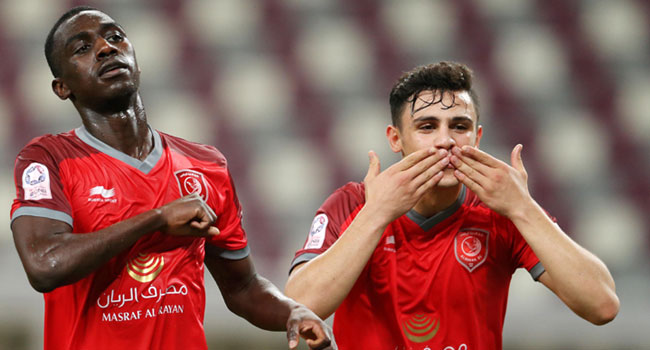
Al-Sadd have one of the most terrifying attacks in West Asia, coupling Algerian colossus Baghdad Bounedjah (39 goals from 22 QSL matches last term) with Asian Cup final MVP Akram Afif (26 from 22), teed up by the likes of Spanish legends Xavi and Gabi, Korean international Jung Woo-young and Qatari captain Hassan Al-Haydos. The big names have all stood up at key times in the group stage; Bounedjah’s last minute winner and equaliser against Persepolis and Pakhtakor early on, Xavi’s emphatic double out in Tashkent and Akram Afif’s winner against Al-Ahli, all in their own way demonstrable of the side’s sizeable might in goalscoring positions.

While they have the stars, they can also count on a solid core made up of the bulk of Qatar’s Asian Cup squad. Keeper Saad Al-Sheeb marshals in effect four of the five that performed admirably against Japan in February, giving Al-Sadd the perfect foundations to build off. All signs point to a long and fruitful run towards the finals, but as we reach the off-season break, question marks are starting to be posed of the QSL champs.

Primarily their opponents for the Round of 16 – Qatari rivals Al-Duhail. While Al-Sadd came out on top of the end of the season ladder, recent form suggests a shifting balance; with Al-Sadd having only overcome Al-Duhail once in their last six encounters. After a month of shaky transition, Rui Faria is starting to find his feet in management, and with the return from injury of Almoez Ali, to dovetail perfectly with the growing in stature Edmilson Junior, Al-Duhail can warrant a claim of having as strong a squad, if not stronger than their rivals.

Al-Sadd will indeed have to adapt accordingly after Xavi retired from football upon the group stage completion, coinciding with the exit of the coach that brought their title success Jesualdo Ferreira. While it looks highly likely Xavi will make the transition into management with Al-Sadd, a debut for either himself, or any interim coach against Al-Duhail in June is a daunting task. Whatever transpires, the all Qatari Round of 16 matchup looks to be one of the hottest clashes of the season.

The Talking Point

An injury time goal, that’s all that stood in the way of Pakhtakor making it through one of the most enticing groups in the ACL’s first round. However, for Abdulrahman Ghareeb’s winner for Al-Ahli, Tashkent’s primary club will see out a decade without progression to the continental knockout phase and stretching the country’s record to three years since Lokomotiv’s unlikely run in 2016. In a manner typical of much about Uzbek football of late, there are positives and there are negatives, leading many to ask whether it promises hope of progress in the future, or that they’ve missed their best opportunity yet?

Despite feeling handicapped slightly by the fact they hadn’t kicked a ball over the winter months, come the start of the new ACL season Pakhtakor started like a rocket. Showing no sign of rustiness or incoherence, given their extended layoff compared to their opponents and broadly a newly assembled squad, their form at a well-attended Markaziy Stadium became the bedrock to their campaign. Introducing some of the best Uzbek talent around, in Odiljon Hamrobekov, who joined from Nasaf Qarshi, Javokhir Sidikov from Kokand and welcoming back Dostonbek Khamdamov from Russia, Pakhtakor took what youthful inspiration had been gleamed from a moderately successful Asian Cup campaign internationally and ran with it.

The attacking duo of Serbian giant Dragan Ceran and returning poacher Marat Bikmaev provided the dividends early on. Ceran strikes the opposition as an archetypal target man, but with the link up play and spatial awareness to blossom in behind a frontman, while Bikmaev started where he left off in seasons gone by, scoring in each of the club’s first four continental matches of the season. Half way through they topped the charts; beating Al-Ahli, drawing with Al-Sadd, whilst notching a point away in the Azadi. The early signs were positive.

Their run in however cut them short. Narrow defeats to Al-Sadd in Doha and Al-Ahli in Jeddah (both to late winners) were both critical blows to their progression hopes. A point in either would have seen them through, but the away hoodoo that seems to plague Uzbek clubs in Asia continues unabated. Combining Pakhtakor’s and Lokomotiv’s ACL results this term, 14 points were accrued from a possible 18 at home, while a mere 2 points were picked up away.

The crumbling centre was plainly on display in the dying embers of the Al-Ahli encounter. Neither side were great, but Pakhtakor were able to force an equaliser with minutes to spare. Instead of offering a resolute spell going into added on time, Pakhtakor crumbled and succumbed to the winning spirit of a side who have barely gotten out of second gear during the group stage. As January’s Asian Cup attested, Uzbek football is brimming with promise, but many a talented generation are let down by mentality, something that needs to be ironed out in the coming years if we are to see a return to Uzbek success in Asia.

Friday, 1 March 2019

AFC Champions League Preview (The East - 2019)


Twelve titles from an available thirteen. That mere stat truly encapsulates the undisputed dominance of East Asia in recent Asian Champions League history. Kashima Antlers’ impressive run to the final last year, ultimately ended in muted fashion, as they eased past Iranian champions Persepolis in the final, but are such one-sided finals something we can expect to end going forward?


The perceived new wave of challenge was supposed to come from China. The increased money being funnelled down into the domestic game was becoming a real consideration for even Western Europe, let alone the rest of Asia. Despite the large amounts of cash flowing in initially, the picture looks a little more stable nowadays, and with one of the quietest windows for some time just passing by, the challenge from China in the Asian Champions League looks comparatively weak to years gone by.

Perennial contenders, and two-time winners Guangzhou Evergrande encapsulate China’s evolving yet diminishing threat continentally. Having lost out on their first domestic title for eight years, rather than jump straight back into the lucrative transfer market of highly sought after European talent, Guangzhou have bizarrely restricted their own overseas quota, instead looking to seek weaker nationalised options to bulk up their squad.

The purchases of former England youth international Tyias Browning and Peruvian born Roberto Siucho are the first part of a long-term strategy put into play by the club to exploit China’s vast waves of global diaspora. Ahead of the curve, fellow Asian Champions League side Beijing Guoan have already confirmed the national switch of Norwegian born midfielder John Hou Saeter (now known as Hou Yongyong) and are significantly along the way in doing the same for English born Nico Yennaris (to be known as Li Ke) who should switch allegiances in the coming months.

The quality of Chinese football, as demonstrated in January’s underwhelming, yet misleadingly successful Asian Cup campaign, is still lacking in a number of areas. The mere bright spot of the campaign, domestic golden boot winner Wu Lei, has now left for Europe, leaving his former club and newly crowned Chinese Super League champions Shanghai SIPG in a muddle heading into their first ever domestic defence and ACL pursuit. Shanghai have failed to sign up adequate cover for their outgoing talisman, and with an ageing squad to hand, growing ever more static (the physical size of star man Hulk is again on the rise), it’s hard to suggest that the current Chinese champions have it in their locker to make a dent continentally.

The title in the East then, as has been the case for the last two editions, looks favoured to return to Japan for a third year in succession. Back-to-back J.League champions Kawasaki Frontale look far better prepared to make a sustained impact on the continental stage than last year, given their close season signings of Leandro Damiao and Maguinho have already hit the ground running domestically. Group stage returns to face Shanghai SIPG and Ulsan Hyundai, the two teams to usurp Kawasaki last term, will prove an interesting yard stick to assess progression of each team individually, but an area the Japanese champions look best set to improve upon.

The two previous ACL champions in Urawa Red Diamonds (2017) and Kashima Antlers (2018) also return, with strong looking squads to progress deep into the competition. The off season purchases of Ryosuke Yamanaka, Ewerton and Kenyu Sugimoto have improved quality across the pitch for Urawa, whilst Kashima, who may have lost defensive duo Gen Shoji and Daigo Nishi in the transfer market, have been able to keep hold of both their AFC Player of the Year nominated stars from last term Kento Misao and Yuma Suzuki, and have brought in experienced forward Sho Ito, a player who has already scored in both his Champions League and domestic debuts for the club in the last week.

The only question mark, often labelled against Japanese contenders for Champions League glory, has been that of priorities. The J.League remains the most intense and extended of domestic schedules in the East, leading some in the past to field under strength squads in their midweek Asian excursions. One of the most regular abusers of this in the past, Sanfrecce Hiroshima already look to be treading on familiar ground, after deploying a second-string squad in their weary penalty shootout victory over Chiangrai in the ACL playoffs.

With this in mind, Jeonbuk Motors look well placed to be challenge the favourites at the tournament. The Korean champions, have few worries domestically, given their considerable superiority over the chasing pack, have a reduced schedule compared to their Japanese counterparts, and have strengthened their depth going into the new season. Boasting an almost relentless attacking force, including the likes of Moon Seon-min, Bernie Ibini and Kim Shin-wook as mere bench options, Jeonbuk clearly have the playing staff to live up to being a worthy challenger. Outside them however, the Korean challenge is diminished (on paper at least), given the surprising rise of Gyenognam and Daegu last season.

Gyenognam backed up their K2 promotion campaign in 2017, to finish in behind Jeonbuk last term. Whilst they’ve lost leading scorer Marcao (Hebei), and centre back Park Ji-soo (Guangzhou Evergrande) to the Chinese Super League, the introduction of Jordan Mutch, formerly of Cardiff City and former Inter Milan winger Luc Castaignos looks to keep them competitive at the very least in the group stage. Daegu’s unexpected KFA Cup victory opens a historic continental challenge for the modest Korean club, yet with little star quality across the field, they’ll likely find it difficult against such experienced opponents.

One of their group opponents, Melbourne Victory however, look to have timed their improvement perfectly. The recruitment of Japanese international Keisuke Honda, alongside physical Swedish striker Ola Toivonen, looks to have been a masterstroke, and given their appeasing group stage draw against Deagu, Sanfrecce and Guanzghou could be the required game changer. In a stop-start league campaign to date, Victory have proved on their day, they have the best side in one off matches in Australia, a level of performance they’ll be keen on replicating in Asia.

Aiming to prove they’re more than simply going to make up the numbers, Thai champions Buriram United, heading into their seventh ACL season in eight years, and five times Malaysian champions Johor Darul Ta’zim, in their debut ACL group stage encounter are the potential banana skins no side will relish in facing. JDT in particular have stocked up impressively ahead of their historic debut in the tournament proper, bringing in Brazilian defender Mauricio and striker Diogo, who has already proven how highly effective he is in front of goal in Thailand last term.

AFC Champions League Preview (West - 2019)


A month on from the Asian Cup, the rise of Qatar looks set to spill over into club football ahead of the new season of the Asian Champions League. Qatar in the main came from the periphery, formed around a squad that was almost exclusively based at home, thrusting previously unheralded youngsters Almoez Ali, Akram Afif, Bassam Al-Rawi and Assim Madibo into the limelight. Now, ready to prove they’re more than a mere flash in the pan upon the resumption of the Asian club calendar, can they wrestle back the ACL title to the West for the first time in 8 years?

The pinnacle may have been reached internationally, but the progress at club level is already in full flow; Qatari champions Al-Duhail and current league leaders Al-Sadd made it to the last eight of the Champions League last term, only to falter after the World Cup break against eventual finalists Persepolis (in the quarter & semi-final stages respectively). That added bit of experience required to take the initiative in these type of matches, is slowly seeping its way into the two pillars of Qatari club football, and off the back of their continental crown internationally, can attest to having the best home-grown players in the whole competition.

The foreign contingent is hardly lacking either; Al-Sadd’s Algerian striker Baghdad Bounedjah has amassed an incredible 34 goals across 18 matches this season, along the way pipping Lionel Messi to the ultimate world golden boot across the calendar year for 2018. He’s backed up by the highly influential Spanish duo of Xavi and Gabi from centre midfield and will be able to call upon Korean international Nam Tae-hee if they indeed replicate their exploits from last term and make it to the last eight.

Al-Duhail similarly boast a strong overseas quota; adding Japanese playmaker Shoya Nakajima and Belgian wide-man Edmilson Junior to an already terrifying attack line led by Moroccan Youssef El-Arabi. They’ve also sought to reaffirm defensively, bringing in Medhi Benatia from Juventus; a real coup for Asian football in general given his pedigree and his age, which sets up a tantalising partnership with the highly rated Al-Rawi in central defence.

The ingredients are set for a sustained return to form for the West. However, the regular argument against such is the highly detrimental mid-campaign break, which has the possibility of disrupting harmony and squad membership across a number of teams. This year in particular promises extensive upheaval, with the young Qatari contingent; headlined by Almoez Ali and Akram Afif, looking likely to head to Europe over the domestic off-season. Then there is always the case of managerial change; given neither Qatari club will envisage an close season where they settle for a domestic runners-up spot gladly. Where this leaves West Asian clubs in general is equally uncertain, and far from an ideal standpoint for any side with serious ACL title ambitions.

A side that has such focussed priorities, Al-Hilal from the Saudi Pro League, can attest to the schedule's drawbacks, given their tendencies for wholesale changes at the drop of a hat. The club synonymous with the Champions League of late, boast the strongest overseas contingent of the whole tournament; not just in their four nominated ACL players, but in their strength in depth available to them domestically. The signing of Italian Sebastian Giovinco in the January transfer window, more than makes up for Omar Abdulrahman’s continued injury layoff, in behind prolific French striker Bafetimi Gomis and Brazilian playmaker Carlos Eduardo, the Riyadh club’s attack makes for an exciting balance that promises an abundance of goals.

Further back, the inclusion of Socceroo Milos Degenek as their fourth overseas player, squeezes out the likes of Jonathan Soriano, Andre Carrillo, Ali Al-Habsi and Alberto Botia. An embarrassment of underutilised riches some may say, but with a domestic title bout to juggle alongside the Champions League group stages, the flexibility at hand for new coach Zoran Mamic looks impressive in its possibilities.

The criticism against them surrounds their mentality and tendency for change. Aside from odd moments, Saudi football regularly frustrates, the playing staff on paper may look to be tremendous options; Salman Al-Faraj, Salem Al-Dawsari and new signing Hatem Bahebri are all seasoned internationals, but have regularly looked off colour , especially in January’s frustrated Asian Cup campaign where Saudi Arabia generally struggled. In addition, the swift hand of change above them, most notably and inexplicably demonstrated in the sacking coach Jorge Jesus last month, can only threaten to destabilise the club’s pursuits further.

With that, the solid proposition, of experience and relative organisation is an outside bet for success. With this look no further than last year’s finalists Persepolis. Rarely flashy, with a diminishing amount of star power, they offer a hearty alternative to the big spending nature of many of their West Asian neighbours. While they still can call upon Iranian international goalkeeper Alireza Beiranvand and Iraqi midfield maestro Bashar Resan, the recruitment of Mehdi Torabi may give them that extra spark to force home wins in those early group stage encounters.

From the elite to the chasing pack, on paper at least a gulf in quality is starting to grow. No league has been left behind more in this regard, than the Arabian Gulf League, which looks to be entering this continental season at their lowest ebb. Al Ain, their primary force for many years look a pale imitation of their past, Al-Ahli have plummeted since their intercity merger, whilst Al-Jazira’s continued absence from the top table of Asian football remains a frustration to many, given their significant talent base to call upon.

Al-Wahda and Al-Wasl make up the Emirati representatives, with neither having experienced great form of late, the latter in particular will be considerably more focussed on the prospect of relegation than competing in Asia. After their whirlwind start to last season, the wheels are well and truly starting to fall off. They’ll hope the individual brilliance of their Brazilian catalyst Lima will be enough to propel some energy, both at home and on the continent.

Another to be feeling the strain, Saudi giants Al-Ittihad are in even worse trouble, currently in the automatic relegation places, with nine games to go and onto their fourth coach in 12 months. Into the breach of the underwhelming tenure of Slavan Bilic comes former Itti coach José Luis Sierra, returning after leaving the club only last summer, with fans of the Tigers praying that they can return to the form of last season, spearheaded by the likes of Fahad Al-Muwallad, Romarinho and new signing Abdulaziz Al-Bishi.

Outside the usual gameplayers, the re-emergence of Uzbek football (this sounds familiar…) is promised once again on the upcoming Asian Champions League campaign. While champions Lokomotiv Tashkent look slightly weaker for their off-season transfer business, fellow capital giants Pakhtakor are starting to make waves, thanks to a number of interesting domestic signings and an early signal of intent through the ACL playoffs.

Purchases of key cogs from Uzbekistan’s strong youth set up that succeeded continentally of late; defensive anchor Odiljon Hamrobekov, left back Akramjon Komilov and the returning Dostonbek Khamdamov from Russia, Pakhtakor will look to bring through some of the same inventiveness and speed, impressively demonstrated at the Asian Cup through to the club environment. Supplementing the arrival of an extensive youth stock, leading Uzbek scorer over the last two seasons Marat Bikmaev returns, after leaving Pakhtakor back in 2004, to add a focal point at the sharp end of the attack.

The lowest expectations of any group stage side might be found at Al-Zawra’a, who thanks to IPL colleagues Al-Quwa Al-Jawiya, who dominated the AFC Cup over the last few years, have sealed Iraqi football an automatic birth into the round robin stage of the tournament for the first time. While little is expected of them, the fact they get to play in their own country (ironically not the case for much of their group given the ongoing political tensions) and can call upon a couple of notable gems in the making (headlined by young midfielder Safaa Hadi), they’ll be up to cause some real upsets early on.